•
Travel Journal
Blog Posts
•
•
•
•
•
Travel Journal

Pin Traveler Blog
Why travelers are mapping trips around taste

For decades, travel itineraries have revolved around landmarks: The Eiffel Tower, The
Colosseum, the Grand Canyon. But increasingly, with the rise of experiential travel, people are building trips around something far more sensory: food.
A travel and dining trends report reveals that 77% of respondents are interested in
planning trips around a destination’s food and dining options. Culinary tourism is no longer secondary to sightseeing – it shapes where people go, how long they stay, and how they structure their time.
Food has become a practical way to navigate a place.
Landmarks show you what a place looks like. Food helps you understand how it functions.
Local dishes reflect geography, trade history, and cultural habits. A coastal region’s seafood economy or a spice-heavy cuisine shaped by historic trade routes tells you something about how that destination developed. UNESCO’s Creative Cities of Gastronomy programme recognizes this connection, treating food traditions as part of cultural heritage.
When travelers plan around food – markets, neighborhood restaurants, regional specialties – they often move beyond tourist centres and into everyday spaces. The result is a trip that feels more grounded and connected to local life.
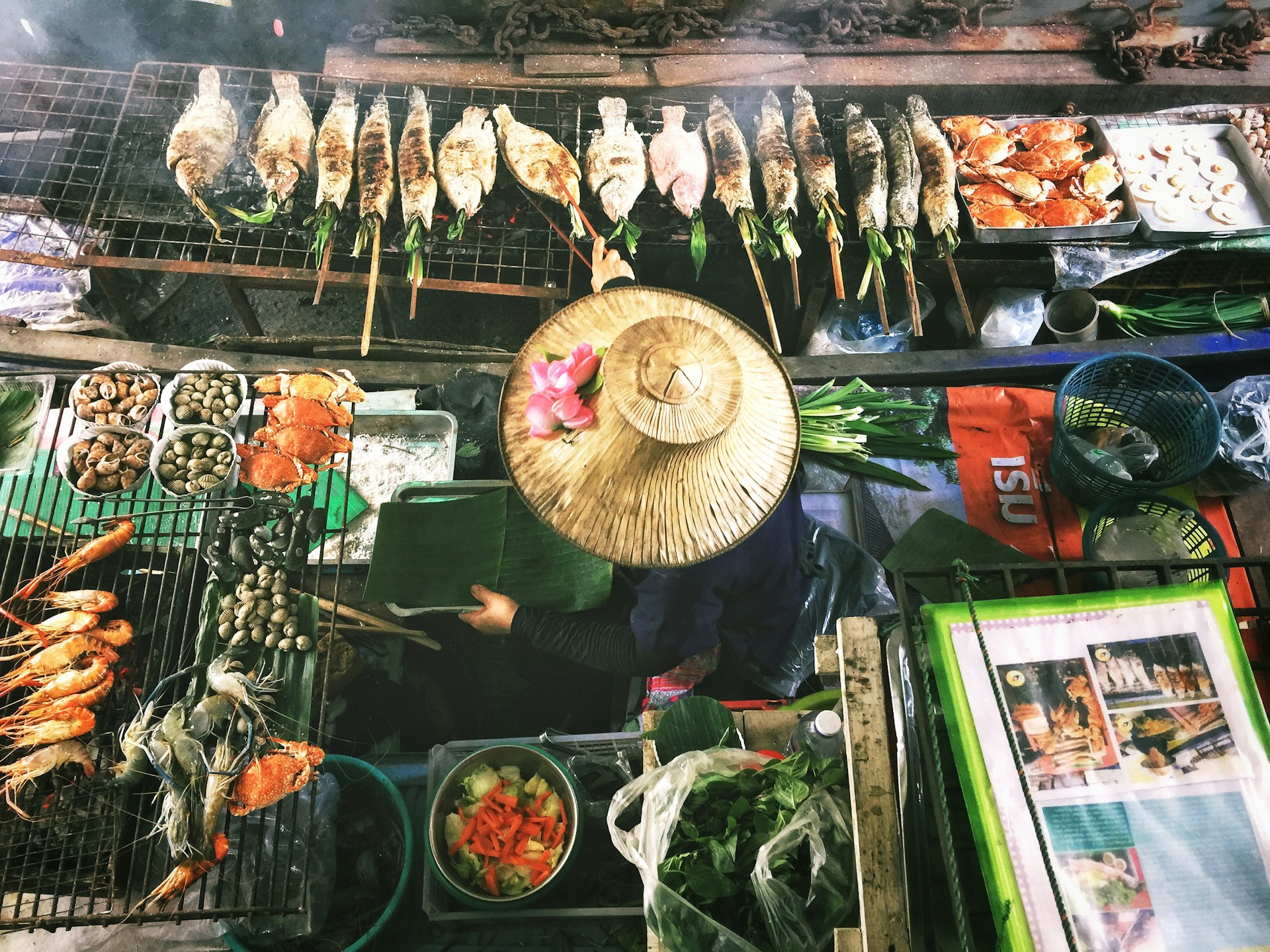
specialties – they often move beyond tourist centres and into everyday spaces. The result is a trip that feels more grounded and connected to local life.
Interest in food is easy. Structuring a trip around it requires more intention.
Planning often starts with research into regional dishes, harvest seasons, or culinary events. Guides such as the Original Travel Food Tourism Guide provide a useful overview of destinations where cuisine plays a defining role. Framing travel decisions around food rather than landmarks alone can influence everything from your choice of accommodation to travel dates.
For example, a wine harvest may determine when to visit a region. A night market might shape where you stay within a city. A cluster of traditional eateries can redefine your daily walking routine.
Visual planning helps make this practical. Mapping culinary stops, whether digitally or manually, allows travellers to organize experiences geographically rather than randomly. For example, Pin Traveler’s guide to choosing the best travel map app breaks down how interactive mapping tools can simplify trip planning and turn themed ideas, such as food trails, into structured itineraries.
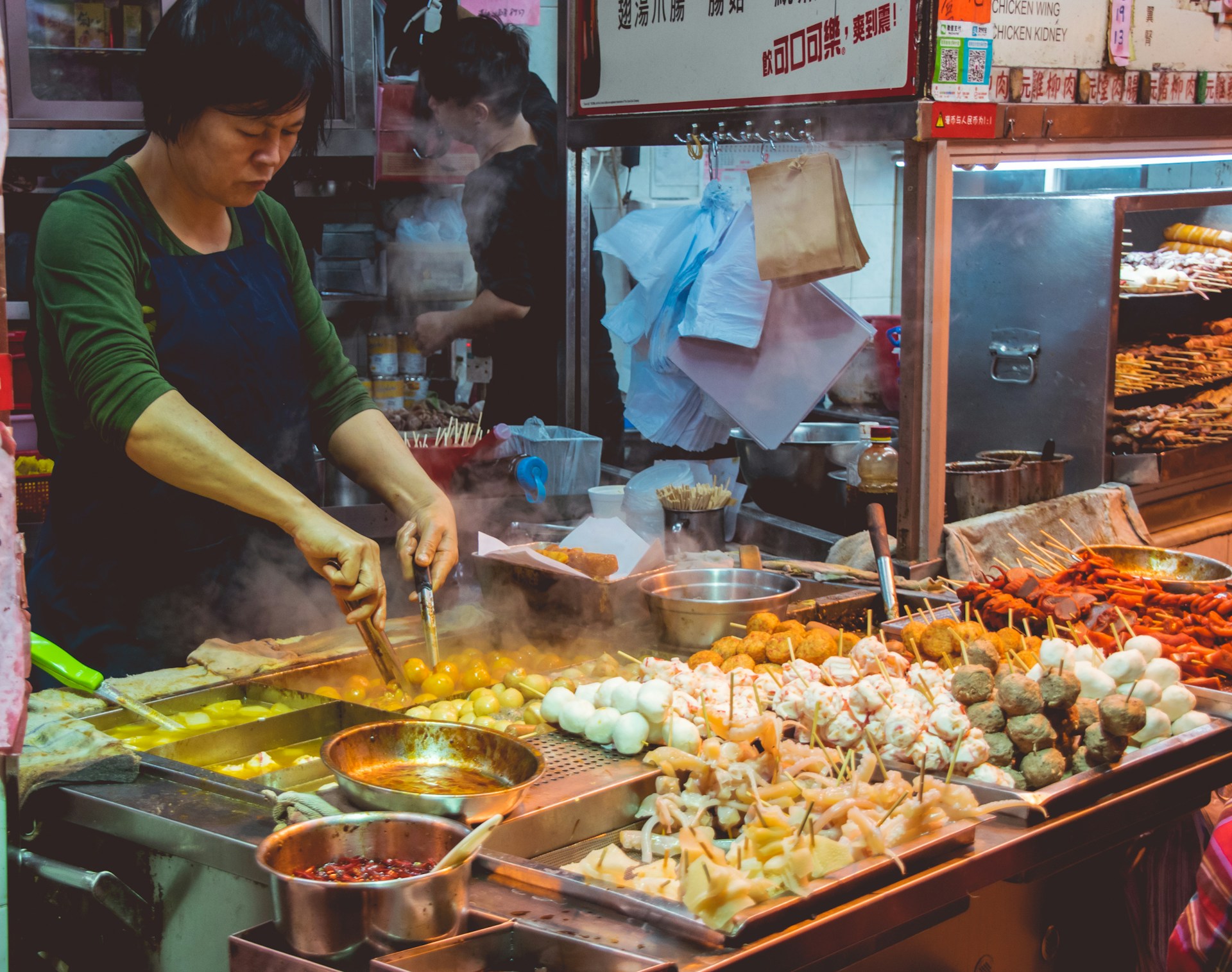
With this type of tourism comes economic and sustainability implications. The UN World Tourism Organization (UNWTO) identifies gastronomy as a driver of sustainable development when it supports local producers, small businesses, and traditional practices.
Choosing independent establishments, seasonal menus, and regional ingredients channels tourism spending more directly into communities. It also reduces reliance on standardized global chains that dilute local character.
When approached deliberately, food-focused travel can align cultural interest with responsible decision-making.
Landmarks still matter. But many travellers now remember destinations through meals more than monuments.
Food shapes practical decisions – where to stay, which neighborhoods to explore, how to structure a day. Framing a trip through food shifts attention from attractions to lived experience. When cuisine becomes the anchor, the rest of the itinerary flows with greater intention.