Discover
Discover Destination
Skeleton Coast National Park
'%3e%3cpath stroke='%23fff' stroke-width='20' d='M0 60 90 0'/%3e%3cpath stroke='%23d21034' stroke-width='15' d='M0 60 90 0'/%3e%3c/g%3e%3cg fill='%23ffce00' transform='translate(18 16.341)'%3e%3cpath d='m0-10 1.55 4.2L5-8.66l-.76 4.42L8.66-5 5.8-1.55 10 0 5.8 1.55 8.66 5l-4.42-.76L5 8.66 1.55 5.8 0 10l-1.55-4.2L-5 8.66l.76-4.42-4.42.76 2.86-3.45L-10 0l4.2-1.55L-8.66-5l4.42.76L-5-8.66l3.45 2.86z'/%3e%3ccircle r='5.5' stroke='%23003580'/%3e%3c/g%3e%3c/svg%3e)
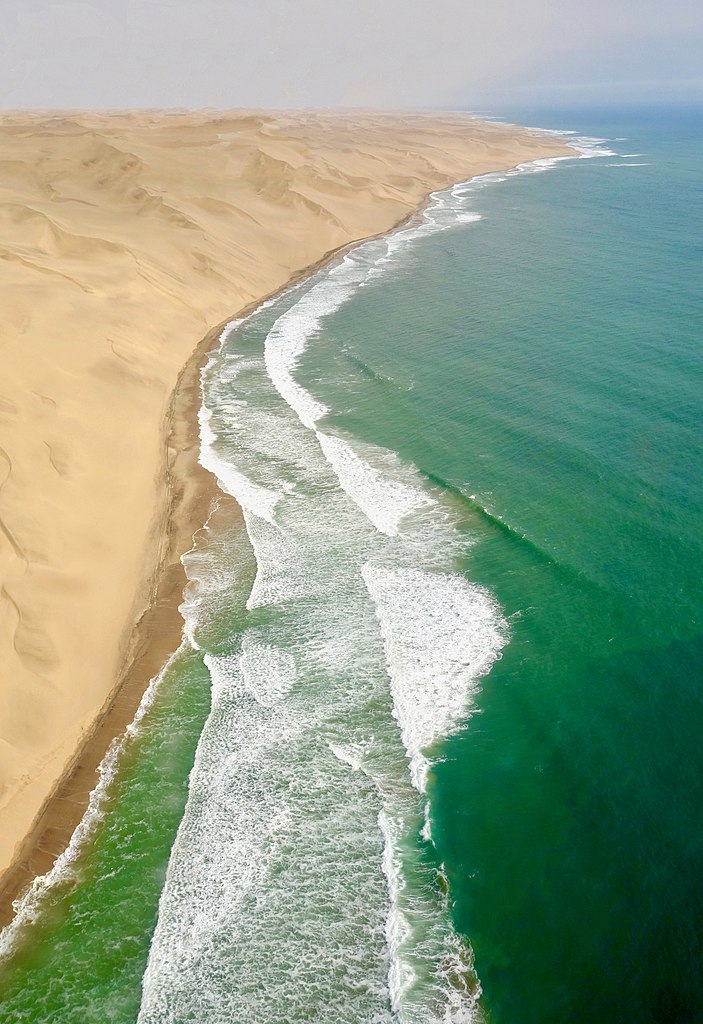
Skeleton Coast is a hauntingly beautiful and remote stretch of coastline located in the northern part of Namibia, in southwestern Africa. It is known for its rugged, desolate, and starkly beautiful landscape. The coastline is characterized by towering sand dunes, rocky outcrops, vast expanses of desert, and shipwrecks scattered along the shore. The contrast between the rolling dunes, rocky terrain, and the crashing waves of the Atlantic Ocean creates a dramatic and mesmerizing scenery.
The Skeleton Coast earned its name from the numerous shipwrecks that dot the coastline. The treacherous currents, foggy conditions, and rocky shores have claimed many vessels over the years. Some of these shipwrecks, like the Dunedin Star and the Eduard Bohlen, have become iconic landmarks and offer unique photographic opportunities.
One of the fascinating aspects of the Skeleton Coast is the ability of certain wildlife species to adapt to the harsh desert environment. Desert-adapted elephants, for example, have developed unique behaviors and physical attributes to survive in this arid landscape. Their ability to dig for water and traverse long distances without surface water is truly remarkable.
Cape Cross Seal Reserve: Located south of the Skeleton Coast, this reserve is home to one of the largest colonies of Cape fur seals in the world. While not a traditional beach for sunbathing or swimming, it offers a fascinating sight of thousands of seals congregating on the shore.
Mowe Bay: This remote beach provides an opportunity for beachcombing and experiencing the solitude of the Skeleton Coast. The beach is known for its scattered whalebones, shipwrecks, and the occasional sighting of wildlife such as seals and jackals.
Terrace Bay: Situated in the northern part of the Skeleton Coast, Terrace Bay has a rugged and wild beauty. It offers a long stretch of coastline with stunning views, but swimming is not recommended due to the strong currents. It is a popular spot for fishing, however, with the opportunity to catch species like galjoen and kabeljou.