Discover
Discover Country
Iceland

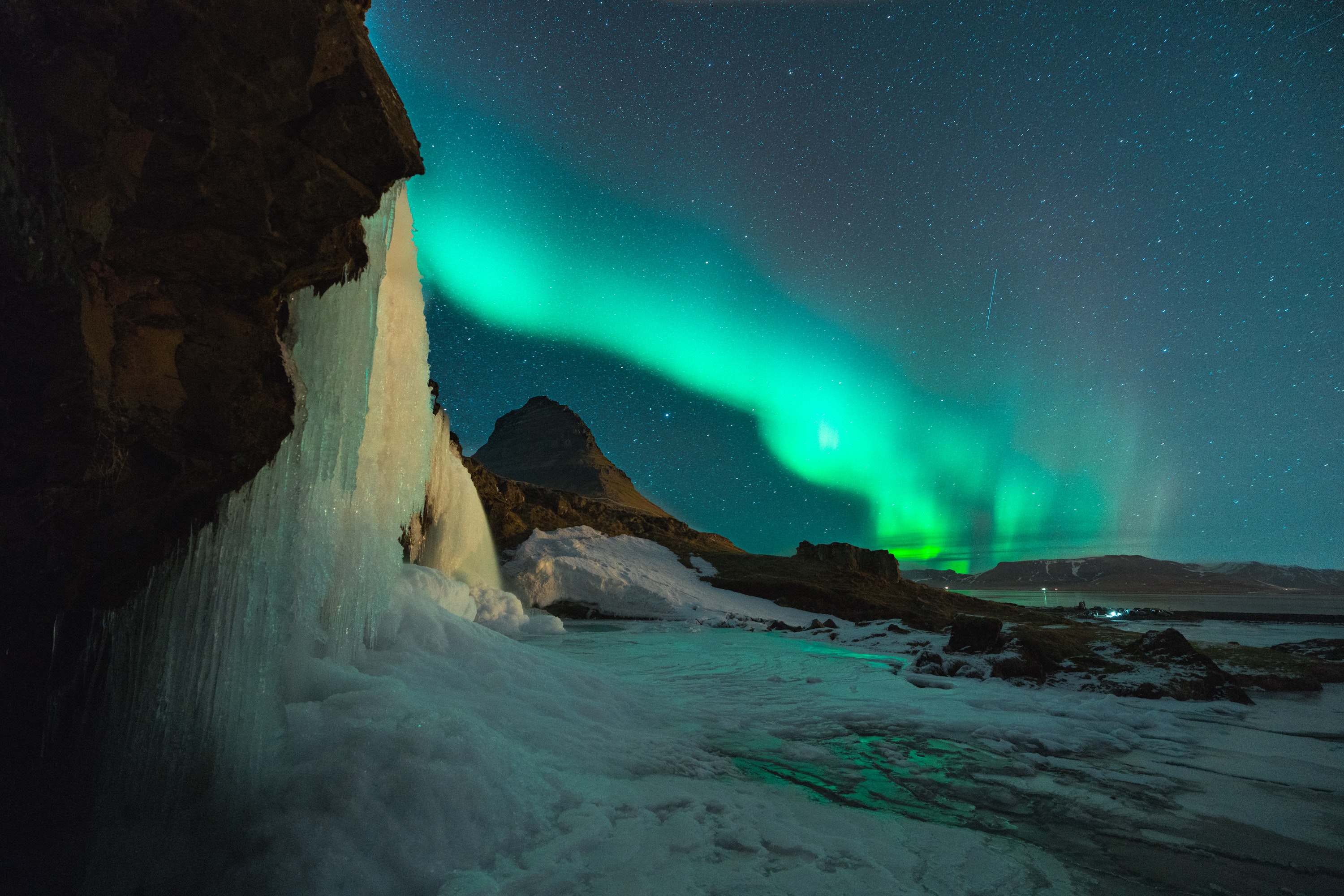
Iceland, a captivating Nordic destination, offers a landscape of otherworldly beauty, geothermal wonders, and unique cultural experiences. The city of Reykjavik, the world's northernmost capital, serves as a vibrant hub with a creative arts scene, quirky architecture, and a thriving café culture. The Blue Lagoon, a famous geothermal spa, and the iconic Hallgrímskirkja church are among the city's notable landmarks.
Beyond Reykjavik, Iceland's surreal landscapes unfold, from the mesmerizing Northern Lights to the geothermal geysers of Geysir and the breathtaking waterfalls of Gullfoss and Seljalandsfoss.
The country's natural beauty is equally enchanting. The rugged landscapes of Vatnajökull National Park encompass glaciers, volcanoes, and hot springs. The Golden Circle route offers access to Þingvellir National Park, where the North American and Eurasian tectonic plates meet. The dramatic landscapes of the South Coast, with black sand beaches and towering cliffs, add to Iceland's allure. Whether you're exploring the mystical landscapes of the Snæfellsnes Peninsula, embarking on a glacier hike, or relaxing in the warmth of geothermal baths, Iceland promises a once-in-a-lifetime travel experience that embraces its unique geological wonders and rich Viking heritage.
Most visited cities in Iceland
Discover Country
Reykjavík
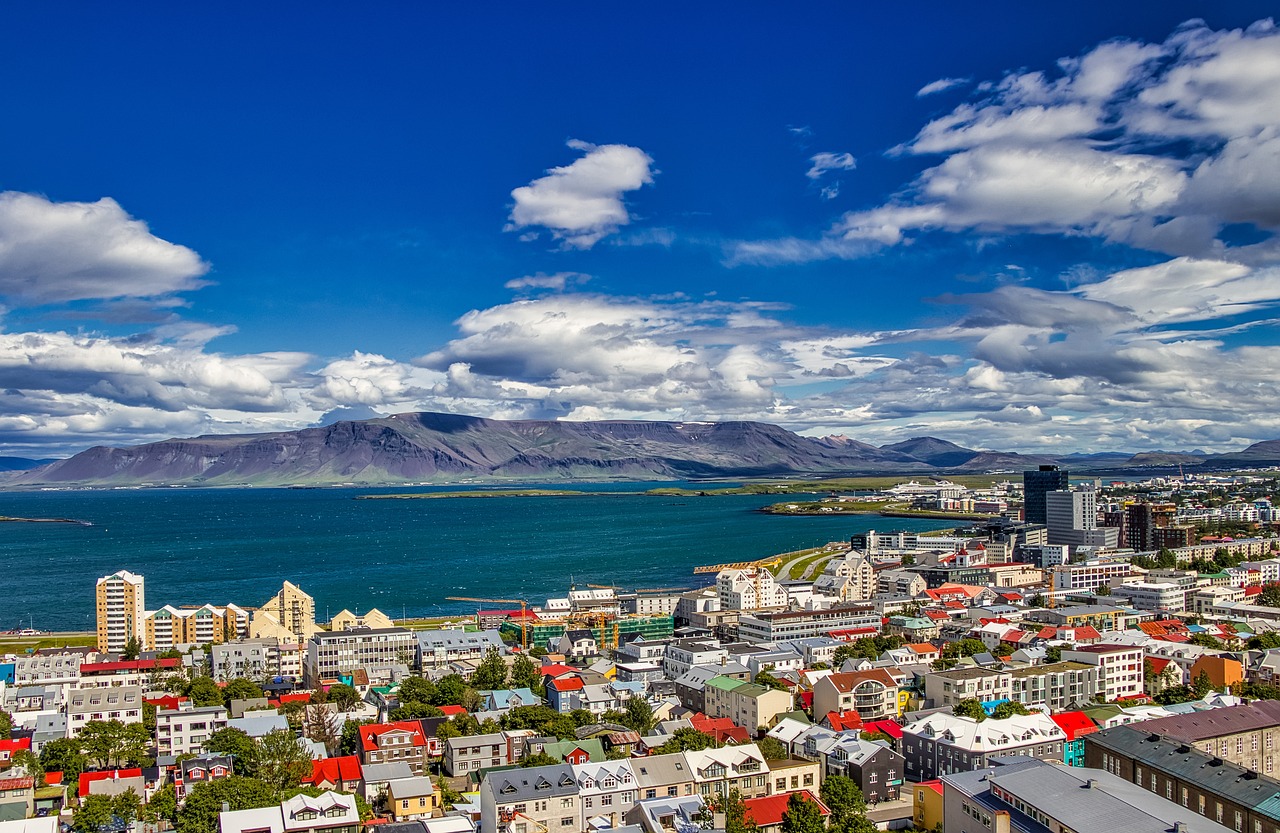
Reykjavík is the capital of and largest city in Iceland and with an urban area population of around 233,000 (2019), it is the home to two-thirds of Iceland's population. It is the centre of culture and life of the Icelandic people, and is one of the focal points of tourism in Iceland. The city is spread out, and has sprawling suburbs. The city centre, however, is a very small area characterised by eclectic and colourful houses, with good shopping, dining and drinking. Reykjavik has the distinction of being the northernmost capital city in the world, though its winters are surprisingly mild for a city of its latitude.
Explore
Discover Country
Vik
Explore
Discover Country
Selfoss
Explore
Discover Country
Akureyri
Akureyri, with a population of around 19,000 (2019), is the largest town in Iceland outside the Southwest region, and the unofficial capital of North Iceland.
Explore
Discover Country
Thingvellir
Explore
Discover Country
Höfn
Explore
Discover Country
Grindavik
Explore
Discover Country
Reykjanesbær
Explore
Discover Country
Ísafjörður
Explore
Discover Country
Skaftafell
Explore
Discover Country
Seydisfjordur
Explore
Discover Country
Húsavík
Explore
Discover Country
Egilsstaðir
Explore
Discover Country
Grundarfjörður
Explore
Discover Country
Hella
Explore
Discover Country
Borgarnes
Explore
Discover Country
Vatnajökull National Park
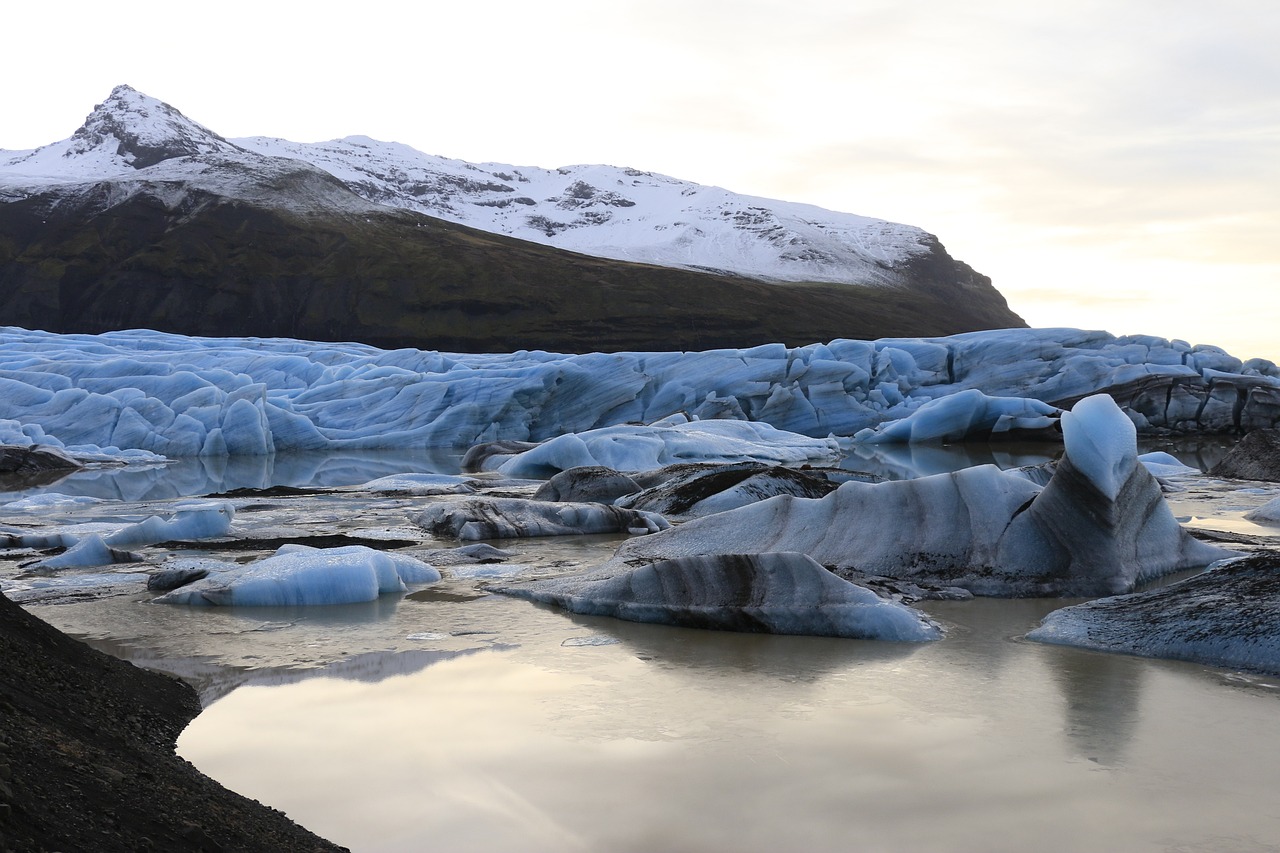
Vatnajökull National Park, located in Iceland, is a captivating and diverse natural wonder. Established in 2008, it is the largest national park in Europe, covering an area of over 14,000 square kilometers. The park encompasses Vatnajökull, the largest glacier in Europe, along with stunning landscapes, volcanic features, glacial rivers, and an array of flora and fauna. Vatnajökull National Park offers visitors an opportunity to explore the raw and untamed beauty of Iceland's natural heritage.
Glaciers
Vatnajökull National Park is renowned for its vast glaciers that dominate the landscape. The park's centerpiece is the mighty Vatnajökull Glacier, covering approximately 8,100 square kilometers. This massive ice cap is home to numerous outlet glaciers, ice caves, and ice formations that are constantly changing and evolving. Glacier hiking and ice climbing are popular activities, allowing visitors to experience the sheer power and majesty of the ice.Volcanoes and Geothermal Activity
The park is situated in a geologically active region, with several volcanoes and geothermal areas. The Öræfajökull volcano, the highest peak in Iceland, resides within the park's boundaries. Visitors can witness unique volcanic landscapes, including lava fields, craters, and volcanic cones. The geothermal areas, such as Skaftafell and Askja, offer hot springs, mud pots, and steaming vents, creating a fascinating display of Earth's geothermal energy.Waterfalls and Rivers
Vatnajökull National Park is adorned with numerous majestic waterfalls and glacial rivers. The park features iconic waterfalls such as Svartifoss, with its columnar basalt formations, and Dettifoss, one of Europe's most powerful waterfalls. The glacial rivers, fed by melting ice from the glaciers, meander through dramatic canyons and create breathtaking landscapes. River rafting and boating provide thrilling opportunities to explore these natural wonders.Flora and Fauna
Despite the harsh conditions, Vatnajökull National Park is home to a surprising variety of plant and animal species. Arctic foxes, reindeer, and various bird species, including puffins and ptarmigans, inhabit the park's diverse habitats. The park's flora includes hardy mosses, lichens, and wildflowers that bloom during the short summer season, adding vibrant colors to the stark surroundings.Hiking and Outdoor Activities
Vatnajökull National Park offers a wealth of outdoor activities for adventurers. The park features an extensive network of hiking trails that lead through breathtaking landscapes, offering opportunities to witness glaciers, volcanic features, and stunning vistas. Visitors can embark on multi-day treks, guided glacier tours, or shorter walks to explore the park's highlights. Camping, photography, and wildlife spotting are also popular activities within the park.Visitor Centers and Facilities
Vatnajökull National Park provides visitor centers and facilities to enhance the visitor experience. The park has information centers where visitors can learn about the park's geology, wildlife, and conservation efforts. Knowledgeable staff offer guidance and safety advice for exploring the park. Additionally, the park provides campgrounds, accommodations, and amenities to cater to the needs of visitors.Explore
Discover Country
Kirkjubæjarklaustur
Explore
Discover Country
Blue Lagoon
Explore