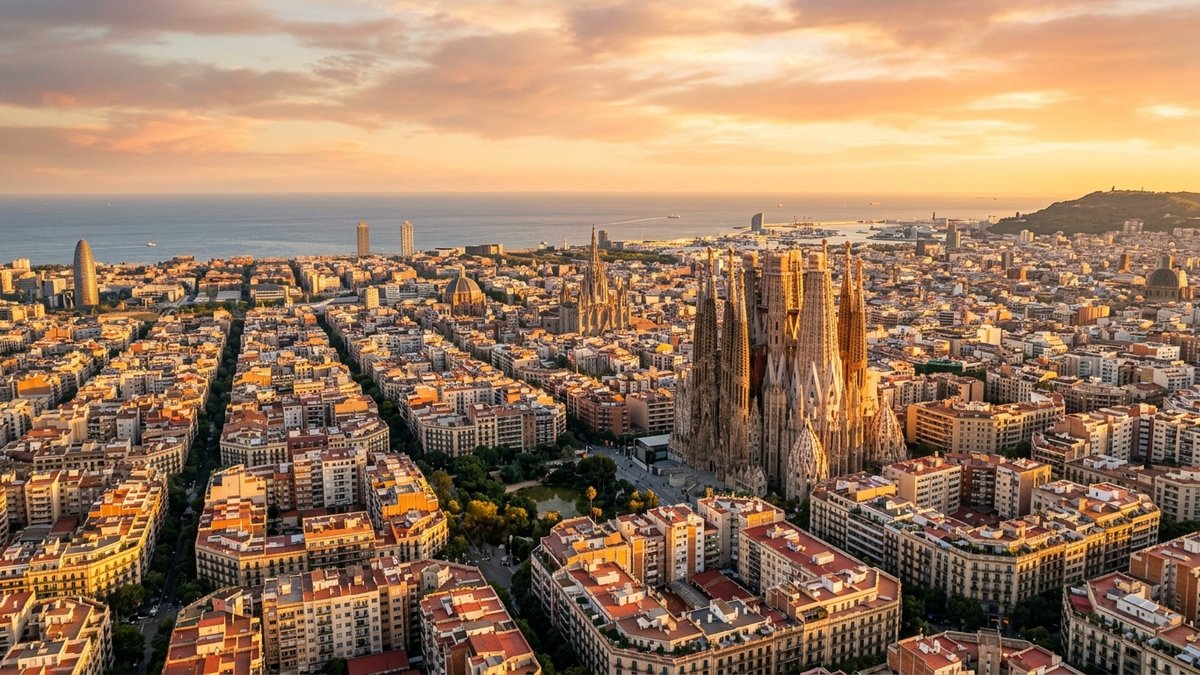
Few destinations in the world balance centuries of dramatic history, avant-garde architecture, and laid-back seaside living quite like Barcelona. Nestled along the northeastern coast of Spain between the Mediterranean Sea and the Collserola hills, the Catalan capital is a vibrant tapestry of Roman ruins, Gothic alleyways, modernist masterpieces, and sun-drenched beaches.
Whether you are marveling at Antoni Gaudí’s dreamlike creations, savoring freshly made tapas in a hidden medieval plaza, or listening to the waves crash against Barceloneta beach at golden hour, Barcelona greets first-time travelers with an infectious energy that is impossible to resist.
Because there is so much to see, do, and taste, planning your first trip can quickly feel overwhelming. This Barcelona 101 guide covers the essential sights, seasonal travel tips, neighborhood highlights, and culinary must-tries so you can make the most of every pin on your journey.
What to Do in Barcelona?
Barcelona’s skyline is unlike any other on earth, shaped by centuries of bold artists, architects, and urban visionaries. Here are the cornerstone highlights every first-time visitor should experience:
Antoni Gaudí's Modernist Masterpieces
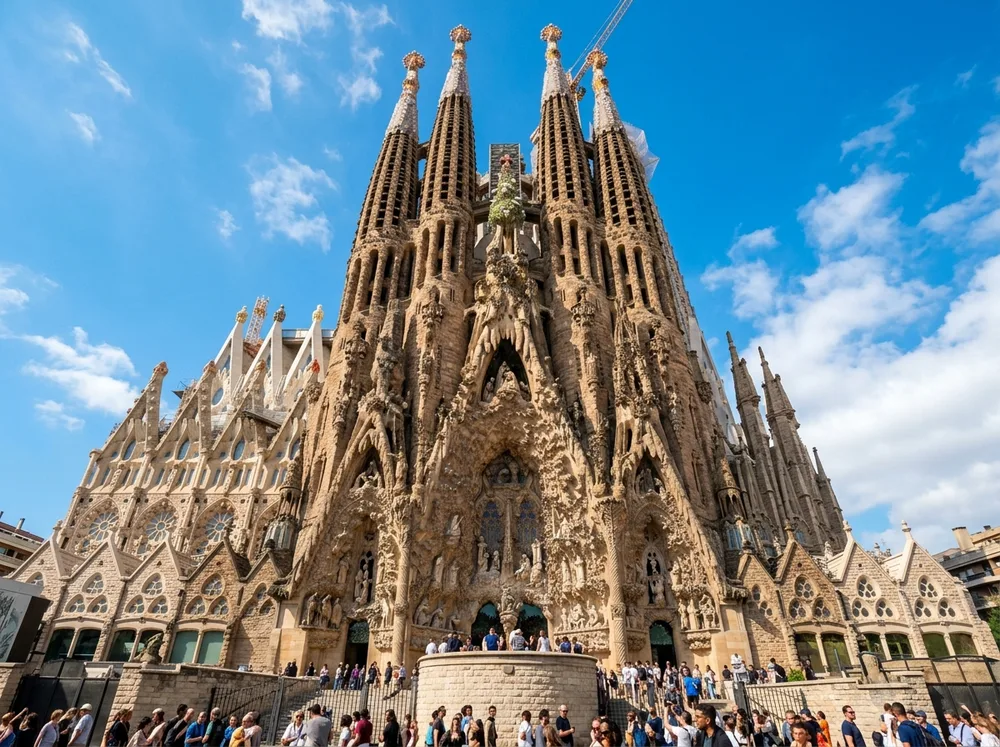
Barcelona and Antoni Gaudí are synonymous. His unique blend of organic forms, nature-inspired geometries, and vibrant ceramics gave birth to Catalan modernisme:
- La Sagrada Família: Gaudí’s crowning achievement has been under construction since 1882. Step inside during late afternoon when the sunlight streams through the polychromatic stained-glass windows, turning the towering stone columns into an enchanted, glowing forest. Pro Tip: Tickets sell out weeks in advance—book your timed-entry slot online well ahead of your arrival.
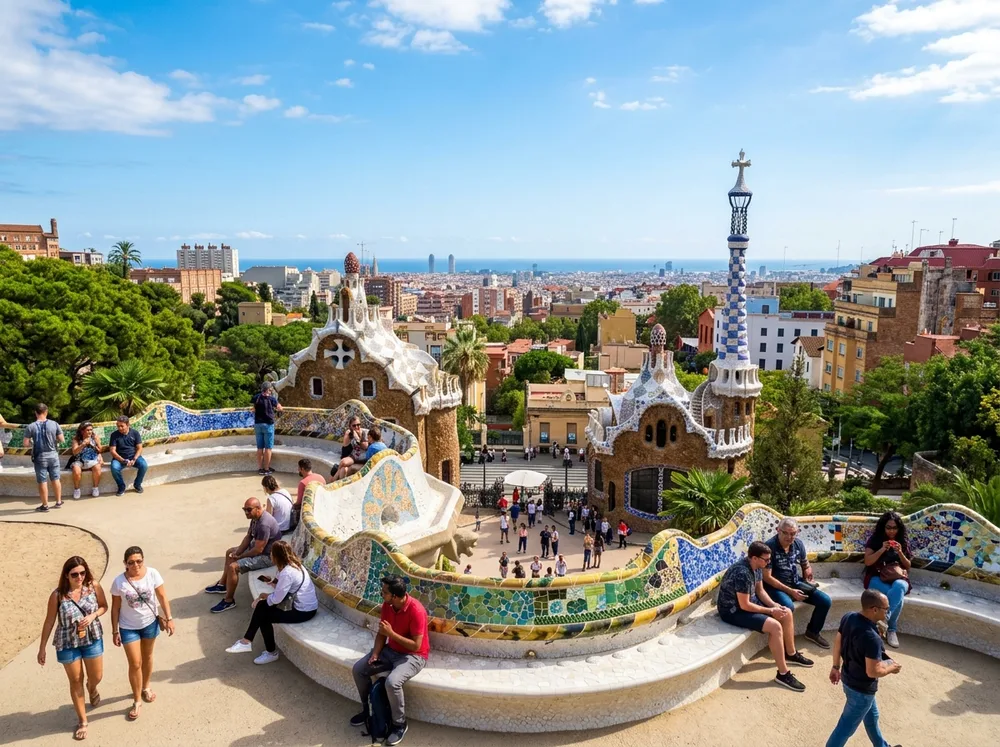
- Park Güell: Originally envisioned as an upscale residential garden suburb, this hilltop park offers whimsical gingerbread gatehouses and the famous serpentine mosaic bench with sweeping vistas over Barcelona all the way to the Mediterranean.
- Casa Batlló & Casa Milà (La Pedrera): Strolling down the elegant Passeig de Gràcia boulevard reveals these two breathtaking architectural wonders with skeletal balconies, undulating stone facades, and surreal rooftop chimneys.
Getting Lost in the Gothic Quarter & El Born
Take an afternoon to slow down and wander the narrow, pedestrianized cobblestone alleys of Barri Gòtic (Gothic Quarter). You’ll stumble upon ancient Roman walls, quiet shaded courtyards, and the grand 14th-century Barcelona Cathedral (La Seu).
Just next door lies El Born, once the center of medieval jousts and maritime merchants, now one of the city's coolest neighborhoods filled with artisan boutiques, specialty coffee shops, the Picasso Museum, and the stunning Basilica of Santa Maria del Mar.
Montjuïc and Panoramic City Vistas
Overlooking the harbor from the southwest, the hill of Montjuïc is packed with cultural landmarks and viewpoints:
- Ride the historic cable car (Telefèric de Montjuïc) up to Montjuïc Castle for 360-degree views of the coastline, port, and city grid.
- Explore the National Art Museum of Catalonia (MNAC) and relax on its palatial steps overlooking Plaça d'Espanya.
- Visit the 1992 Olympic Ring and Joan Miró Foundation.
Barceloneta Beach and the Waterfront Promenade
After a full day on your feet exploring Gaudí's architecture, head down to Barceloneta. Once a traditional fishermen's quarter, this coastal stretch offers sandy beaches, a palm-lined promenade ideal for biking or rollerblading, and breezy seaside chiringuitos (beach bars) where you can sip a cold drink while watching the Mediterranean waves.
When to Visit Barcelona?
Barcelona enjoys a temperate Mediterranean climate with mild winters and sunny, warm summers, making it an appealing destination year-round. However, your experience will vary depending on when you travel:
- Spring (April to June) — Ideal: Spring is widely considered the sweet spot. Temperatures hover in the comfortable 18°C–24°C (65°F–75°F) range, parks are blooming, and outdoor cafe terraces are bustling without peak summer humidity. Don't miss Sant Jordi (April 23), Catalonia's romantic patron saint day when the streets fill with bookstalls and red roses.
- Fall (September to October) — Ideal: Early autumn offers pleasant temperatures, warm sea water for swimming, and thinner tourist crowds. Late September hosts Festes de la Mercè, Barcelona’s biggest annual festival, featuring free street concerts, fire runs (correfocs), and human tower builders (castellers).
- Summer (July to August) — Peak Season: Summers are hot, humid, and busy. The city is packed with international vacationers, beachgoers, and open-air music festivals (like Sónar and Primavera Sound). If visiting during summer, book accommodations and attraction tickets well in advance, stay hydrated, and take an afternoon rest during peak midday heat.
- Winter (November to February) — Quiet & Budget-Friendly: Winters are crisp and mild, with daytime highs around 14°C–16°C (57°F–61°F). While it's not swimming weather, winter is fantastic for museum hopping, uncrowded Gaudí sites, enjoying festive Christmas markets (Fira de Santa Llúcia), and finding great flight and hotel deals.
Where to Eat in Barcelona?
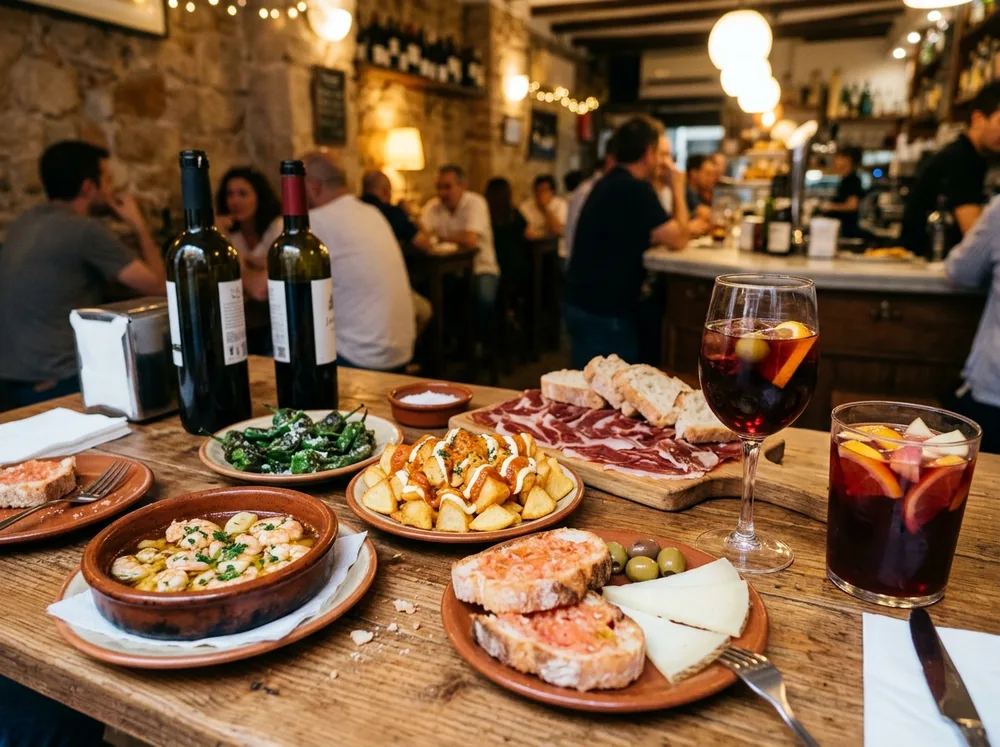
Catalan cuisine is a masterclass in combining fresh Mediterranean seafood with savory mountain ingredients—a tradition locals call mar i muntanya (sea and mountain).
Understanding the Local Dining Rhythm
One of the most important travel tips for visiting Spain is adjusting to the local meal times:
- Breakfast (Esmorzar): 8:00 AM – 10:30 AM. Typically light—a café con leche paired with a croissant or toasted baguette with tomato.
- Lunch (Dinar): 1:30 PM – 4:00 PM. The primary meal of the day. Many traditional eateries offer a multi-course menú del día with wine for a very reasonable fixed price.
- Dinner (Sopar): 8:30 PM – 11:00 PM. Spaniards eat dinner late. Arriving at a restaurant at 7:00 PM often means dining alone in an empty dining room or waiting until the kitchen opens.
Must-Try Dishes
- Pa amb Tomàquet: Rustic grilled bread rubbed with raw garlic and ripe vine tomatoes, drizzled generously with extra-virgin olive oil and sea salt. It accompanies nearly every Catalan meal.
- Bombas de la Barceloneta: Crispy fried mashed potato balls stuffed with spiced minced meat, served with garlic allioli and spicy brava sauce.
- Escalivada: Smoky roasted red bell peppers, eggplant, and onions drizzled with olive oil, often served on toast with salted anchovies.
- Fideuà: A close cousin of paella originating from the coastal region, made with short toasted noodles instead of rice, simmered in rich seafood broth and topped with dollops of garlic allioli.
- Crema Catalana: The signature local dessert—a silky custard infused with cinnamon and lemon zest, covered in a crackling caramelized sugar crust.
Foodie Hotspots & Markets
- Mercat de la Boqueria: Located right on Las Ramblas, this world-famous covered market is a feast for the senses, overflowing with fresh fruit smoothies, wheels of artisan cheese, hanging legs of jamón ibérico, and lively counter bars like Bar Central and Pinotxo Bar.
- Mercat de Santa Caterina: Just a short walk away in El Born, this neighborhood market features an undulating wavy ceramic roof and a much more localized, relaxed food-shopping experience.
- Carrer de Blai (Poble-sec): Barcelona’s unofficial tapas and pintxo street. Hop from bar to bar along this pedestrian boulevard picking up bite-sized Basque and Catalan skewers for just €1.50 to €2.50 apiece.
Getting Around Barcelona
Navigating Barcelona is straightforward thanks to its walkable grid system and efficient public transportation:
- Metro & Public Transit: The TMB Metro operates clean, air-conditioned trains connecting every corner of the city. The T-Casual travel card gives you 10 individual journeys across Zone 1 (covering all major tourist areas) at a fraction of the cost of single tickets.
- Walking: Barcelona is an exceptionally pedestrian-friendly city. The tree-lined avenues of Eixample, with their chamfered street corners, and the car-free alleys of the Gothic Quarter are best discovered on foot.
- Airport Transit: From Barcelona-El Prat Airport (BCN), the blue Aerobús runs every 5 to 10 minutes straight to Plaça de Catalunya in under 35 minutes. Alternatively, Metro line L9S connects both terminals to the city network.
- Safety & Pickpockets: Barcelona is a very safe city with low violent crime, but pickpocketing is common in crowded tourist corridors like Las Ramblas, major Metro interchanges, and Barceloneta beach. Keep your phone and wallet in zipped pockets or a crossbody bag worn across your chest.
Frequently asked questions
How many days are ideal for a first trip to Barcelona?
Four to five days is the sweet spot for a first visit. This gives you plenty of time to explore Gaudí’s main sites (Sagrada Família and Park Güell), wander the Gothic Quarter and El Born, take in Montjuïc, relax at the beach, and savor leisurely tapas dinners without rushing.
Do I need to book Sagrada Família tickets in advance?
Yes, absolutely. La Sagrada Família operates strictly on timed-entry tickets and frequently sells out several days or even weeks in advance, especially during the spring, summer, and autumn seasons. Book your ticket on their official site before your departure.
Is Barcelona safe for solo travelers?
Yes, Barcelona is widely considered very safe for solo travelers of all genders. The main issue to stay vigilant about is non-violent petty crime, specifically pickpocketing in crowded tourist hot spots, on the Metro, and around beach clubs late at night.
What is the best area to stay in Barcelona for first-timers?
The Eixample neighborhood is the top choice for first-time visitors due to its wide, well-lit boulevards, safe atmosphere, and proximity to Gaudí houses and central transit. For travelers looking for historic charm and lively nightlife within walking distance of the beach, El Born is an outstanding alternative.
Can you visit Barcelona without speaking Catalan or Spanish?
Yes. Because Barcelona is a major international hub, English is widely spoken in hotels, restaurants, museums, and shops throughout the city center. However, learning a few polite local phrases like "Bon dia" (Good morning in Catalan) or "Muchas gracias" (Thank you in Spanish) will always be appreciated by locals.