Discover
Discover Country
Lebanon

Lebanon, with its vibrant capital city, Beirut, is a fascinating destination that offers a blend of history, culture, and natural beauty. Known as the "Paris of the Middle East," Beirut is a dynamic city with a rich history, evident in its architecture, museums, and archaeological sites. The city's lively atmosphere, bustling markets, and diverse culinary scene make it a must-visit for travelers.
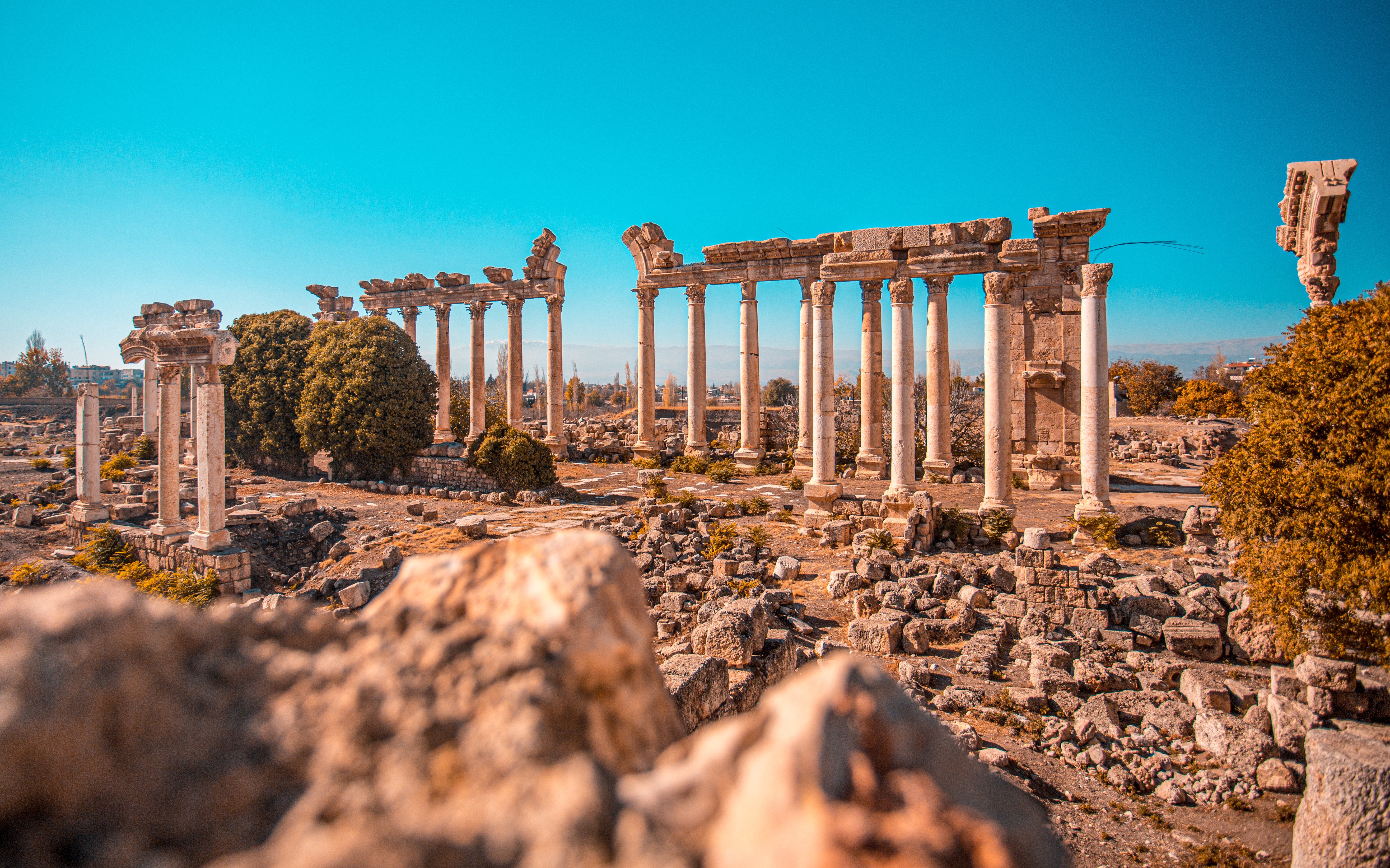
Beyond Beirut, Lebanon's landscape is diverse, ranging from the Mediterranean coastline with its beautiful beaches to the rugged mountains of the Lebanese Cedar Forest. The country is home to several well-preserved ancient ruins, including the Roman temples of Baalbek and the Phoenician city of Tyre, both UNESCO World Heritage Sites. Lebanon's wine region in the Bekaa Valley is also gaining recognition for its wineries, offering wine tasting tours in picturesque settings.
Lebanese cuisine is world-renowned, and experiencing it in its place of origin is a true delight. From street food vendors serving falafel and shawarma to upscale restaurants offering meze (small plates) and fresh seafood, Lebanon's food scene is a culinary adventure.
Despite its challenges, Lebanon's resilient spirit, hospitality, and cultural treasures continue to attract travelers seeking a unique and unforgettable experience in the heart of the Middle East.
Most visited cities in Lebanon

Discover Country
Beirut
Beirut (Arabic: بيروت Bayrūt, French: Beyrouth ) is the capital city of Lebanon with a population of approximately 2.1 million people in its metropolitan area. The city is on a relatively small headland jutting into the east Mediterranean. It is by far the biggest city in Lebanon. Due to Lebanon's small size, the capital has always held the status as the only true cosmopolitan city in the country, and since independence, has been the commercial and financial hub of Lebanon.
Explore
Discover Country
Byblos
Byblos (بيبلوس), also known by its Arabic name of Jbeil (جبَيل), is an ancient Phoenician city located about 35 kilometers (23 miles) north of the capital Beirut in modern day Lebanon. The city has been declared a UNESCO World Heritage Site and is a popular daytrip from the capital. : P70 : P8
Explore
Discover Country
Baalbek
Baalbek بَعلبَك is one of the most spectacular archaeological sites in Lebanon and one of the country's UNESCO World Heritage Sites. Baalbeck or 'Heliopolis' as it was known is the site of great ancient temples built by the Phoenicians, the Romans, and other civilisations that have conquered the region and enjoyed the fertile soil of the Bekaa Valley. Some of the most celebrated temples are the ones of Bacchus, the Greek god of wine, and Jupiter, the Roman god of light, of the sky and weather. : P70 : P8
Explore
Discover Country
Tripoli
Explore
Discover Country
Jounieh
Explore
Discover Country
Batroun
Explore
Discover Country
Sidon
Sidon (Arabic: Saida صَيْدا) is a city in Lebanon. The people (population: 100,000) are largely Sunni Muslims. The main attraction of Sidon is its Sea Castle, built by the Crusaders in the 13th century. : P70 : P8
Explore
Discover Country
Tyre
Explore
Discover Country
Harissa
Explore
Discover Country
Jeita
Explore
Discover Country
Zahlé
Explore