Discover
Discover Country
Tanzania

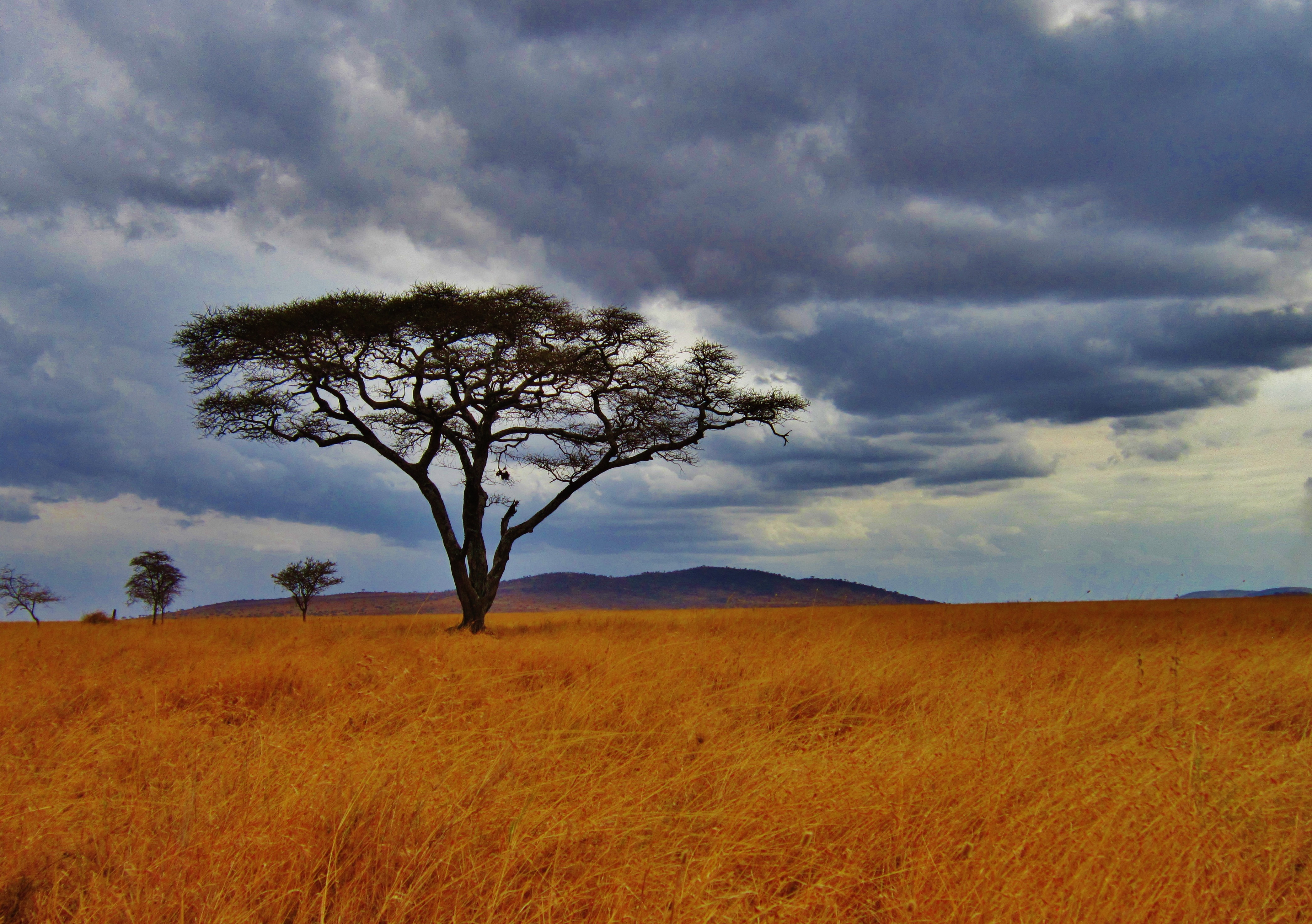
Tanzania, located in East Africa, is a breathtaking travel destination celebrated for its incredible natural wonders, diverse wildlife, and vibrant cultures. The largest city and former capital, Dar es Salaam, is a bustling coastal city where you can explore markets, dine on delicious seafood, and learn about Tanzania's history at the National Museum. However, it's the country's natural treasures that truly captivate travelers.
Tanzania is home to some of the most famous national parks and game reserves in Africa. The Serengeti National Park, known for the annual Great Migration of wildebeest and zebras, offers unparalleled wildlife viewing. Nearby, the Ngorongoro Conservation Area features a stunning crater teeming with animals. To the east, the tropical paradise of Zanzibar beckons with its pristine beaches, historic Stone Town, and spice plantations. Mount Kilimanjaro, Africa's highest peak, attracts trekkers from around the world, and Tanzania's southern parks like Selous Game Reserve and Ruaha National Park provide opportunities for off-the-beaten-path safaris.
With its incredible biodiversity and natural beauty, Tanzania offers an unforgettable African adventure.
Most visited cities in Tanzania
Discover Country
Kendwa Beach: Adjacent to Nungwi Beach, Kendwa Beach is another stunning stretch of shoreline with pristine sands and calm waters.
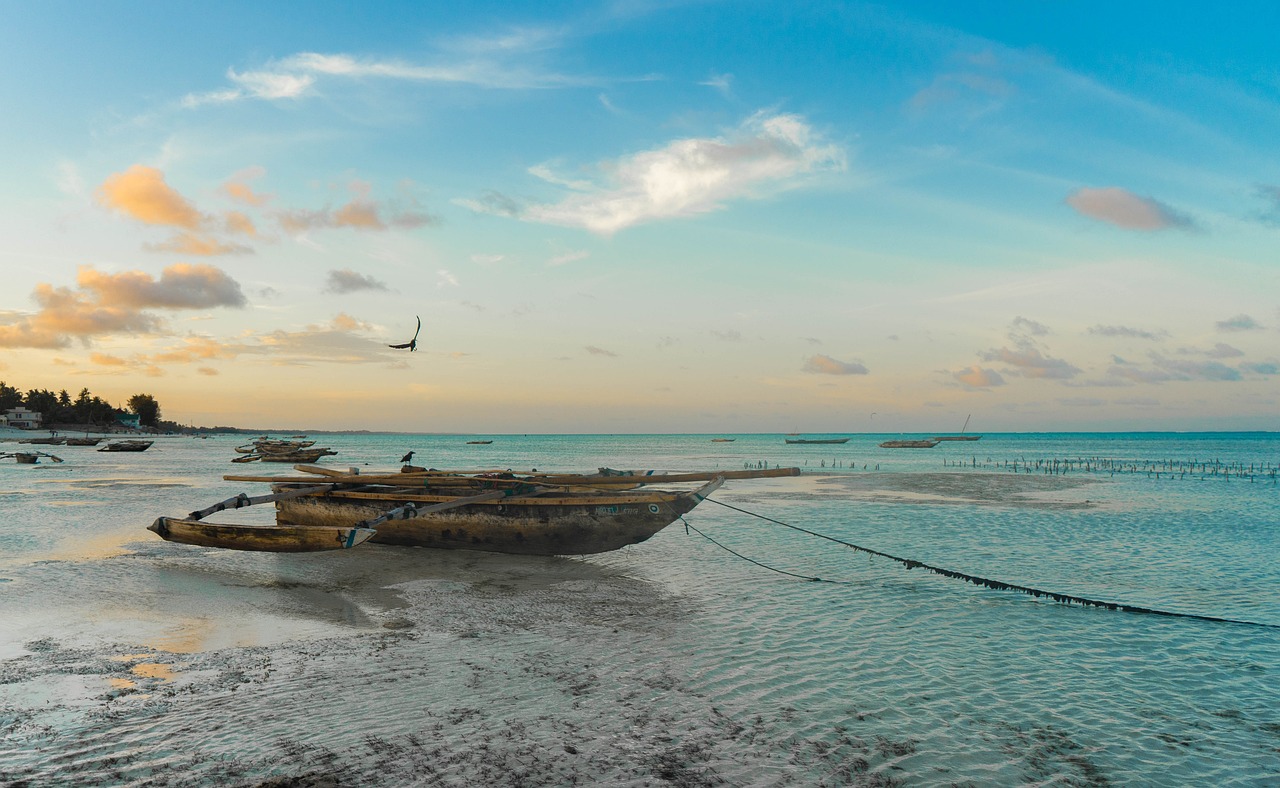
Paje Beach: Located on the southeast coast of Zanzibar, Paje Beach is famous for its long stretches of white sand and shallow turquoise lagoons.
Matemwe Beach: Situated on the northeast coast, Matemwe Beach is known for its tranquil beauty and unspoiled surroundings.
Bwejuu Beach: Located between Paje and Jambiani, Bwejuu Beach is a hidden gem with a quiet and secluded ambiance.
Zanzibar
Zanzibar is a tropical paradise located off the coast of Tanzania in East Africa. It is an archipelago consisting of the main island of Unguja, commonly known as Zanzibar Island, along with several smaller islands. Zanzibar offers a perfect blend of natural beauty, cultural richness, and warm hospitality. Whether you seek relaxation on stunning beaches, exploration of historical sites, or thrilling underwater adventures, Zanzibar is a destination that will captivate your senses and leave you with unforgettable memories.
Stone Town
The historic heart of Zanzibar City, Stone Town is a UNESCO World Heritage Site. It is a maze-like labyrinth of narrow streets and alleys lined with ancient buildings, bustling markets, and historical sites. Visitors can explore the vibrant culture, sample local cuisine, and visit attractions like the House of Wonders and the Old Fort.Spice Plantations
Zanzibar is known as the "Spice Island" due to its rich history of spice production. Take a tour of the spice plantations and immerse yourself in the fragrant aromas of cloves, nutmeg, cinnamon, and more. Learn about the cultivation and processing of spices while enjoying a sensory experience.Jozani Forest
Located in the heart of Zanzibar, the Jozani Forest is a lush nature reserve famous for its indigenous red colobus monkeys. Take a guided walk through the forest, spot wildlife, and learn about the unique flora and fauna of the region.Cultural Heritage
Zanzibar has a rich cultural heritage influenced by African, Arab, Indian, and European cultures. Explore the local markets, taste the diverse cuisine, and experience the vibrant Swahili culture through music, dance, and traditional festivals.A Beach Destination
Zanzibar is known for its pristine and picturesque beaches, which attract visitors from around the world. Here are some of the most popular beaches in Zanzibar: Nungwi Beach: Located on the northern tip of Zanzibar, Nungwi Beach is one of the most beautiful and lively beaches on the island.Kendwa Beach: Adjacent to Nungwi Beach, Kendwa Beach is another stunning stretch of shoreline with pristine sands and calm waters.
Paje Beach: Located on the southeast coast of Zanzibar, Paje Beach is famous for its long stretches of white sand and shallow turquoise lagoons.
Matemwe Beach: Situated on the northeast coast, Matemwe Beach is known for its tranquil beauty and unspoiled surroundings.
Bwejuu Beach: Located between Paje and Jambiani, Bwejuu Beach is a hidden gem with a quiet and secluded ambiance.
Explore

Discover Country
Dar es Salaam
Dar es Salaam ( Haven of Peace in Arabic) was founded in 1862 by Sultan Seyyid Majid of Zanzibar on the site of the village of Mzizima. Mzizima's history dates back to when the Barawa people started to settle and cultivate the area around Mbwa Maji, Magogoni, Mjimwema, Gezaulole, and Kibonde Maji Mbagara.
Explore
Discover Country
Arusha
Explore
Discover Country
Serengeti National Park
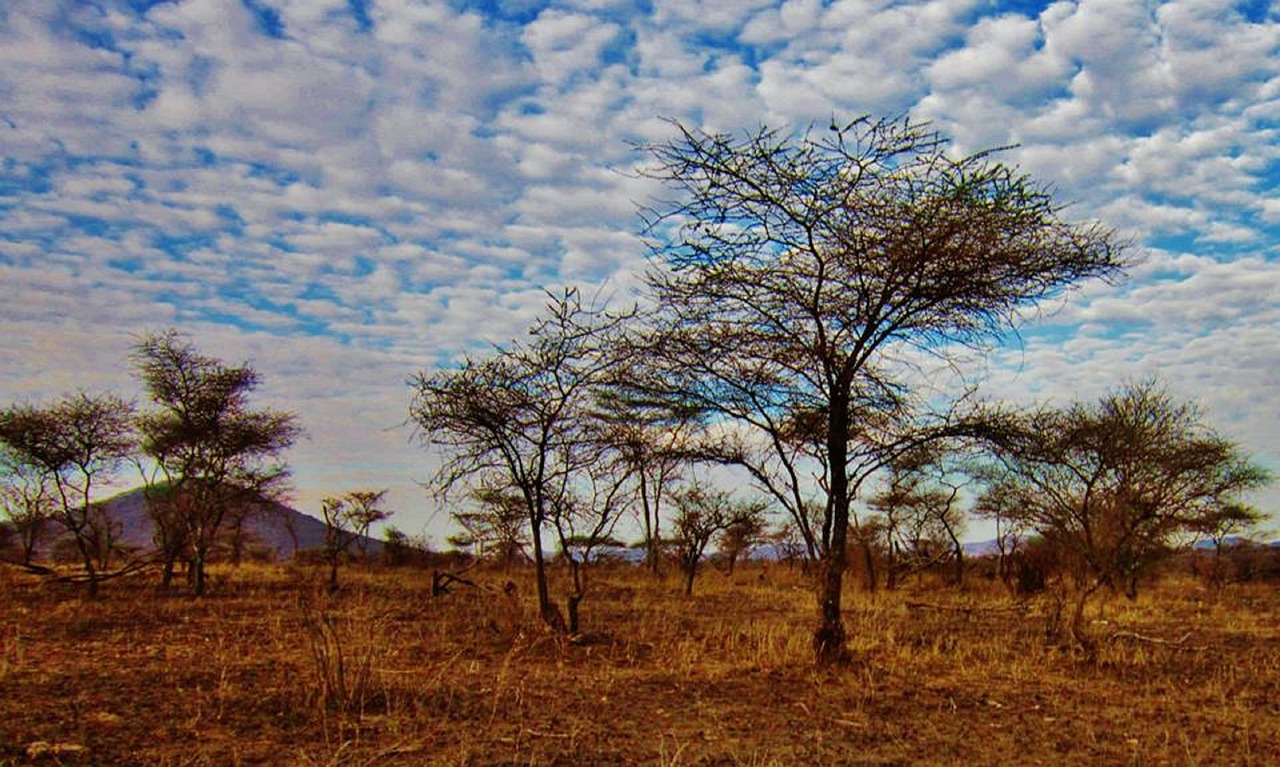
Serengeti National Park, located in northern Tanzania, is a world-famous wilderness area renowned for its breathtaking landscapes, abundant wildlife, and the epic annual migration of millions of wildebeest and other herbivores. Spanning over 14,750 square kilometers, the park offers a remarkable safari experience that immerses visitors in the untamed beauty of the African savannah.
Natural Features
Serengeti National Park is characterized by its diverse natural features, which encompass vast open grasslands, acacia woodlands, rocky outcrops known as kopjes, and meandering rivers. The park is framed by the picturesque Serengeti Plains, offering unobstructed vistas that stretch as far as the eye can see. The remarkable Ngorongoro Crater, a UNESCO World Heritage Site, lies adjacent to the park and adds to its dramatic scenery.Wildlife
The Serengeti is renowned for its exceptional wildlife, making it a haven for animal enthusiasts and photographers. The park is home to an incredible array of wildlife species, including the iconic African Big Five (elephants, lions, leopards, buffalos, and rhinoceros). Additionally, visitors can witness vast herds of wildebeest, zebras, gazelles, and other herbivores during the Great Migration, a spectacle of nature that sees millions of animals traverse the plains in search of fresh grazing.Great Migration
The Great Migration is one of nature's most awe-inspiring phenomena and a major highlight of Serengeti National Park. This annual migration involves the movement of enormous herds of wildebeest, accompanied by zebras and gazelles, as they follow the seasonal rains in search of food and water. The migration typically encompasses river crossings, where crocodiles lie in wait, creating a dramatic spectacle that attracts visitors from around the world.Conservation Efforts
Serengeti National Park is committed to the conservation and protection of its remarkable biodiversity. Conservation efforts include anti-poaching initiatives, habitat preservation, and community engagement programs. The park collaborates with local communities, research institutions, and conservation organizations to ensure the long-term sustainability of the ecosystem and the preservation of its iconic wildlife.Safari Experiences
Serengeti National Park offers a wide range of safari experiences, allowing visitors to explore its vast wilderness and encounter wildlife in their natural habitat. Game drives, conducted by experienced guides, provide opportunities for close-up wildlife sightings, including predators on the hunt and grazing herds. Balloon safaris offer a unique perspective, floating above the plains and witnessing the panorama of wildlife below. Walking safaris, accompanied by armed rangers, provide a more intimate and immersive experience, allowing visitors to appreciate the smaller details of the ecosystem.Accommodation and Facilities
The park offers various accommodation options, catering to different budgets and preferences. From luxury lodges and tented camps to mobile camps and campsites, visitors can find suitable accommodations within or near the park. Facilities such as restaurants, visitor centers, and picnic areas ensure that visitors have a comfortable and enjoyable stay in the Serengeti.Cultural Interactions
While Serengeti National Park is primarily known for its wildlife, it also provides opportunities for cultural interactions. Nearby Maasai villages offer a glimpse into the traditional lifestyle and rich cultural heritage of the Maasai people. Visitors can engage in cultural tours, witness traditional dances, and learn about the Maasai's deep connection with the land and wildlife.Explore
Discover Country
Ngorongoro
Explore
Discover Country
Zanzibar City
Explore
Discover Country
Zanzibar Island
Explore
Discover Country
Nungwi
Explore
Discover Country
Moshi
Explore
Discover Country
Stone Town
Explore
Discover Country
Ngorongoro Crater
Explore
Discover Country
Kilimanjaro
Explore
Discover Country
Paje
Explore
Discover Country
Tarangire National Park
Explore
Discover Country
Lake Manyara National Park
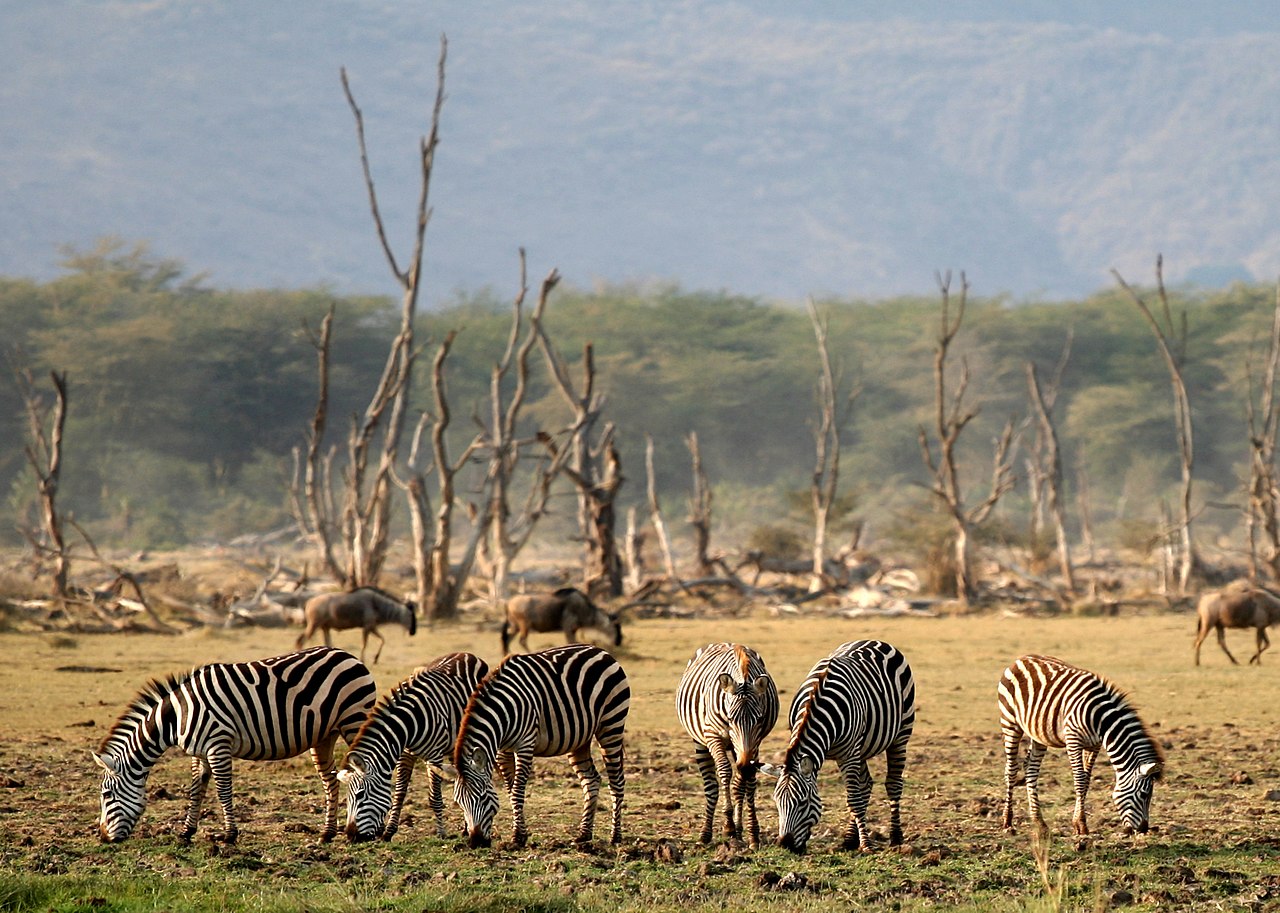
Lake Manyara National Park, located in northern Tanzania, is a picturesque and diverse wildlife reserve known for its stunning landscapes and rich biodiversity. Spanning approximately 330 square kilometers, the park is named after Lake Manyara, a large alkaline lake that dominates the area. From lush forests to expansive grassy plains, the park offers a unique blend of habitats, supporting a wide variety of flora and fauna. Lake Manyara National Park is an ideal destination for nature enthusiasts and safari-goers looking for a memorable African wildlife experience.
Scenic Beauty
Lake Manyara National Park is renowned for its breathtaking scenic beauty. The park is characterized by its diverse landscapes, including the lush groundwater forest, the vast soda lake, and the dramatic rift valley escarpment. The contrasting environments provide a stunning backdrop for wildlife viewing and create picturesque vistas for visitors to enjoy.Wildlife
Lake Manyara National Park is home to a remarkable array of wildlife species. While the park may not boast the large herds of the Serengeti or the Ngorongoro Crater, it compensates with its unique and diverse wildlife population. Visitors to Lake Manyara have the chance to encounter elephants, giraffes, zebras, wildebeest, and various antelope species. The park is also known for its tree-climbing lions, which can often be spotted lounging in the branches of the park's iconic mahogany and acacia trees.Birdlife
Lake Manyara National Park is a birdwatcher's paradise, offering incredible opportunities for birdwatching enthusiasts. The park is home to over 400 bird species, both resident and migratory. Flamingos, pelicans, herons, storks, and numerous other waterbirds gather along the shores of Lake Manyara, creating a spectacular sight. Birdwatchers can also spot raptors, hornbills, and a variety of colorful songbirds within the park's different habitats.Tree-Climbing Lions
One of the park's most unique attractions is its population of tree-climbing lions. Lake Manyara is one of the few places in Africa where lions can be regularly observed climbing trees. This behavior is believed to be a response to the park's densely vegetated environment and serves as a fascinating sight for visitors. Spotting these majestic predators perched on tree branches is an extraordinary experience.Hippo Pool
Lake Manyara National Park is home to a hippo pool, where visitors can observe these massive semi-aquatic mammals in their natural habitat. The pool provides a safe haven for hippos during the day when they retreat to the water to keep cool. Observing these creatures from a safe distance allows visitors to witness their social interactions and witness their occasional bouts of playfulness.Canopy Walkway
Lake Manyara National Park features a unique canopy walkway that allows visitors to experience the park from a different perspective. The walkway consists of a series of suspended bridges and platforms built within the tree canopy, providing panoramic views of the forest and its inhabitants. Walking along the canopy walkway offers a thrilling and immersive experience, giving visitors a closer look at the park's diverse ecosystem.Picnic and Camping Sites
The park offers several designated picnic and camping sites, allowing visitors to relax and enjoy the natural surroundings. These sites provide a serene setting for picnics and overnight stays within the park, providing an opportunity to connect with nature and savor the tranquility of Lake Manyara.Explore
Discover Country
Ngorongoro Conservation Area
Explore