Discover
Discover Country
Slovenia
 scale(.12937)'%3e %3csvg width='12' viewBox='-120 -190.223125 240 309.188274' height='15.459'%3e %3cpath d='m110.26-19.478l9.74-143.75a280.22 280.22 0 0 0 -240 0l9.74 143.75a155.61 155.61 0 0 0 110.26 138.45 155.61 155.61 0 0 0 110.26 -138.45' fill='%23005da4'/%3e %3cpath d='m-90 0a138.29 138.29 0 0 0 90 100.77 138.29 138.29 0 0 0 90 -100.77l-45-60-18 24-27-54-27 54-18-24-45 60' fill='%23fff'/%3e %3cg id='wave' fill='%23005da4' transform='scale(5) translate(0 5.1962)'%3e %3cpath d='m-17.196-2.1962a6 6 0 0 0 8.1962 2.1962 6 6 0 0 1 6 0 6 6 0 0 0 6 0 6 6 0 0 1 6 0 6 6 0 0 0 8.1962 -2.1962v1.732a6 6 0 0 1 -8.1962 2.1962 6 6 0 0 0 -6 0 6 6 0 0 1 -6 0 6 6 0 0 0 -6 0 6 6 0 0 1 -8.1962 -2.1962z'/%3e %3c/g%3e %3cuse xlink:href='%23wave' transform='translate(0 17.321)'/%3e %3cg id='s' transform='translate(0,-120) scale(2.25)'%3e %3cpath stroke-width='.2' d='m0-5l1 3.2679 3.3301-0.7679-2.3301 2.5 2.3301 2.5-3.3301-0.7679-1 3.2679-1-3.2679-3.3301 0.7679 2.3301-2.5-2.3301-2.5 3.3301 0.7679z' fill='%23fd0'/%3e %3c/g%3e %3cuse xlink:href='%23s' transform='translate(-33.75,-45)'/%3e %3cuse xlink:href='%23s' transform='translate(33.75,-45)'/%3e %3cpath d='m-111.58-167.05l9.96 146.99a146.95 146.95 0 0 0 101.62 129.95 146.95 146.95 0 0 0 101.62 -129.95l9.96-146.99a280.22 280.22 0 0 0 8.42 3.82l-9.74 143.75a155.61 155.61 0 0 1 -110.26 138.45 155.61 155.61 0 0 1 -110.26 -138.45l-9.74-143.75a280.22 280.22 0 0 0 8.42 -3.82' fill='%23ed1c24'/%3e %3c/svg%3e %3c/g%3e %3c/svg%3e)
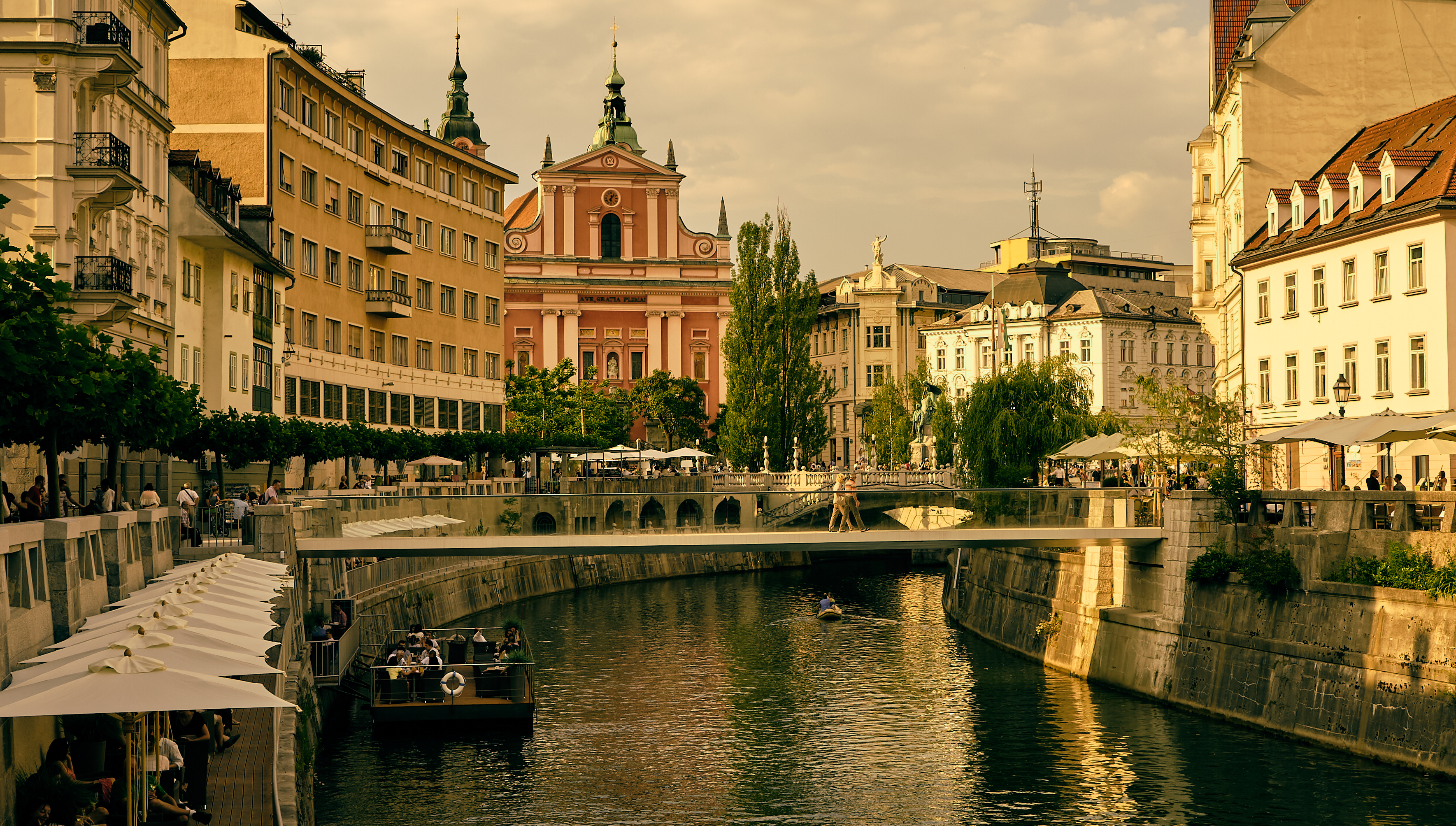
Slovenia, a charming travel destination in central Europe, is a hidden gem known for its stunning alpine landscapes, historic towns, and vibrant cultural scene. The capital city, Ljubljana, is a picturesque urban center with a medieval old town that boasts well-preserved architecture, charming bridges, and lively outdoor cafes along the Ljubljanica River. Visitors can explore Ljubljana Castle for panoramic views, visit the bustling Central Market for local delicacies, and take a boat ride through the city's subterranean caves.
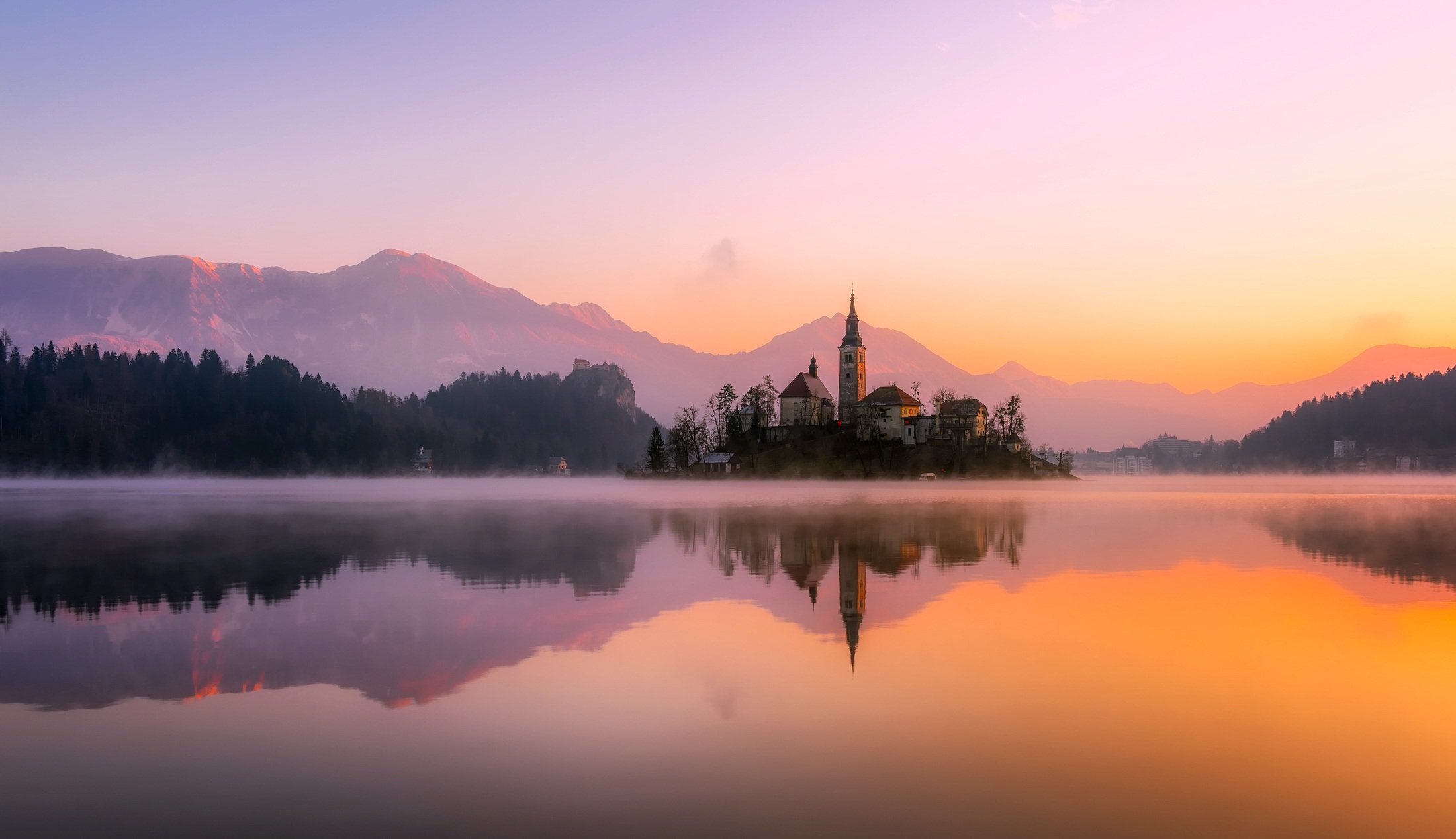
Slovenia's natural beauty shines through in places like Lake Bled, a fairytale-like destination with its island church and medieval castle perched on a cliff overlooking the emerald-green lake. The Triglav National Park offers hiking and outdoor adventures amid the Julian Alps, including the stunning Soča River Valley. The country is also renowned for its wine regions, such as the Karst and Styria, where visitors can sample local varietals and indulge in farm-to-table dining experiences.
Slovenia's blend of cultural heritage and breathtaking landscapes make it a perfect destination for travelers seeking a mix of outdoor exploration and historical charm.
Most visited cities in Slovenia
Discover Country
Ljubljana
Ljubljana ("lee-oo-blee-AH-nuh") is the small but delightful capital of Slovenia. While the city's population had grown to 295,500 in 2020, the sights and amenities are concentrated in the charming old centre. It's full of artists, museums, and galleries, it's friendly and easy to reach, and it's a good base for exploring the rest of the country.
Explore
Discover Country
Bled
Bled is a town in Slovenia, on the east side of Lake Bled.
Explore
Discover Country
Maribor
Maribor is the second most important centre and the second largest city of Slovenia. It has about 114,000 inhabitants who live embraced in its wine growing hills and the Mariborsko Pohorje mountain. Maribor is near Slovenian border with Austria, beside the Drava River and at the centre of five natural geographic regions. It is the capital of Štajerska, the Slovenian Styria.
Explore
Discover Country
Koper
Koper (Italian: Capodistria ) is Slovenia's only commercial port and one of its oldest towns with a very rich history.
Explore
Discover Country
Piran
Piran (Italian: Pirano ) is a city in the Coast and Karst region of Slovenia.
Explore
Discover Country
Postojna
Postojna is a town in the Coast and Karst region of Slovenia, pronounced in Slovenian as ' Post-oy-nah'. : P70 : P8
Explore
Discover Country
Portorož
Explore
Discover Country
Lake Bled
Explore
Discover Country
Kranjska Gora
Kranjska Gora is a town in north-western Slovenia. It is a base for winter sports and is known for alpine skiing and ski jumping. : P70 : P8
Explore
Discover Country
Izola
Izola is an ancient Mediterranean town with a lively history on the Slovenian coast. The old part of the town rests upon what once used to be an island, which is where its name comes from. In Latin, 'isola' means 'an island'. : P70 : P8
Explore
Discover Country
Predjama
Explore
Discover Country
Bovec
Bovec is a city in northwestern Slovenia. : P70 : P8
Explore
Discover Country
Celje
Celje is a city on the Savinja River in the Pohorje-Savinjska region of Slovenia. : P70 : P8
Explore
Discover Country
Kranj
Kranj (pronounced "Krah-n" ) is a city in Central Slovenia. It is the historical capital of Carniola.
Explore
Discover Country
Triglav National Park
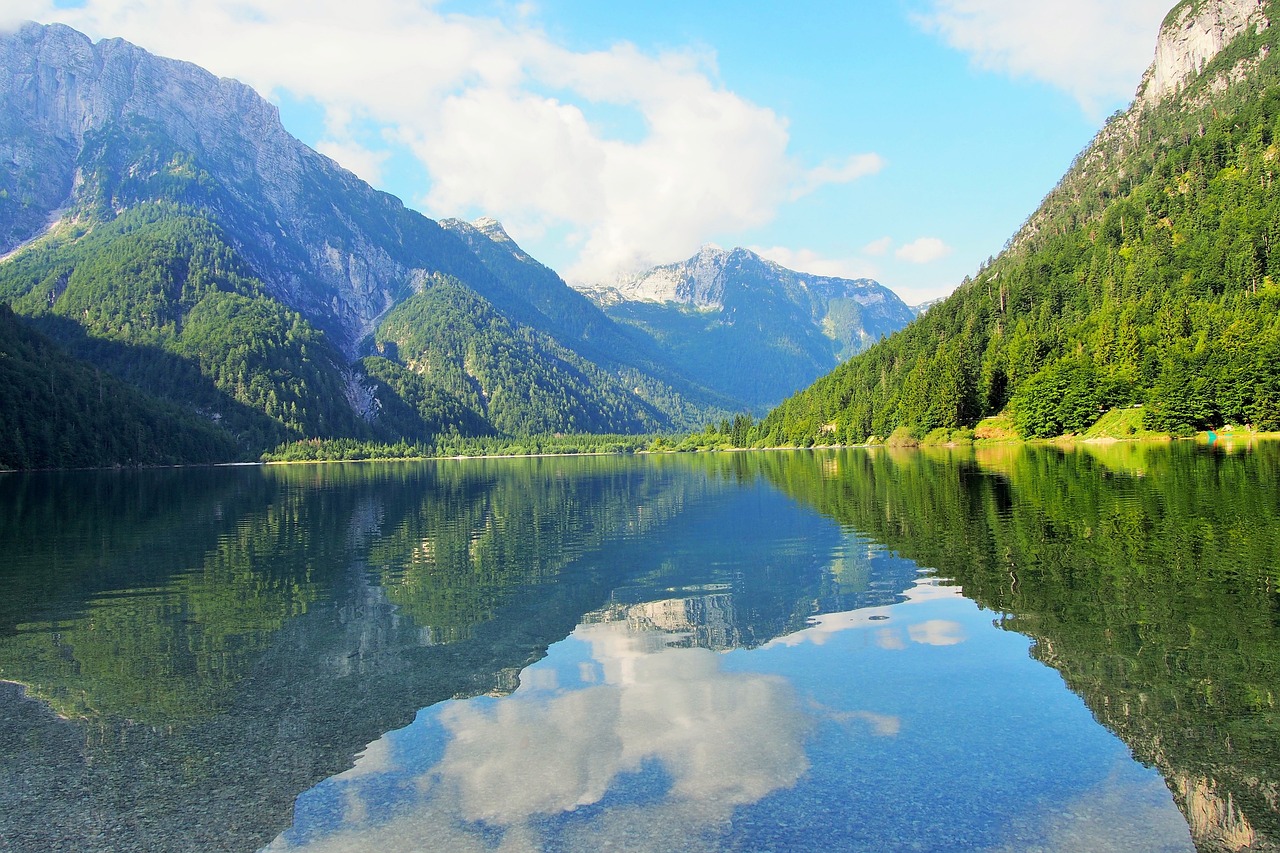
Nestled in the breathtaking Julian Alps of Slovenia, Triglav National Park stands as a pristine sanctuary of natural beauty and cultural significance. Spanning the majestic Triglav massif, including the country's highest peak, Mount Triglav, this national park captivates visitors with its rugged mountain peaks, enchanting alpine lakes, and verdant valleys. Triglav National Park offers a harmonious blend of diverse ecosystems, from lush forests to glacial landscapes, making it a haven for outdoor enthusiasts and nature lovers alike. As you explore its well-marked trails, ascend challenging summits, or engage in water activities on its crystal-clear lakes and rivers, you will immerse yourself in the stunning scenery and rich biodiversity that define this remarkable national park.
Natural Features
Triglav National Park is renowned for its breathtaking natural features. The park is dominated by the rugged peaks, deep valleys, and pristine alpine lakes of the Julian Alps. It encompasses diverse landscapes, including dense forests, glacial valleys, and picturesque meadows, offering visitors a stunning array of vistas and outdoor opportunities.Biodiversity
The national park is home to a rich biodiversity, harboring numerous plant and animal species. The park's forests are mainly composed of beech, spruce, and fir trees, providing habitat for wildlife such as chamois, ibex, deer, and various bird species. Triglav National Park also boasts a variety of alpine flowers and plants, including edelweiss, alpine poppy, and gentians.Mountaineering and Hiking
Triglav National Park is a paradise for mountaineers and hikers. The park offers an extensive network of well-marked trails that cater to different skill levels, allowing visitors to explore the stunning alpine landscapes. Mount Triglav, standing at 2,864 meters, is a popular challenge for experienced climbers. For those seeking less strenuous hikes, there are numerous paths leading to beautiful viewpoints, alpine lakes, and mountain huts.Water Activities
The park's lakes and rivers provide opportunities for various water activities. Lake Bohinj, the largest permanent lake in Slovenia, offers swimming, boating, and fishing. The crystal-clear Soča River is renowned for its emerald color and is a popular spot for kayaking, rafting, and fly fishing. Adventurous visitors can also try canyoning, which involves descending through the park's picturesque gorges.Cultural Heritage
Triglav National Park is deeply rooted in Slovenian culture and history. The park is named after Mount Triglav, which holds immense significance as a national symbol. Traditional mountain farming practices, including cheese-making and sheep herding, are still preserved by local communities within the park. Visitors can explore charming alpine villages, discover historic churches and museums, and experience the warm hospitality and cultural traditions of the Slovenian Alps.Visitor Centers and Facilities
Triglav National Park provides visitor centers and facilities to enhance the visitor experience. These centers offer information about the park's natural and cultural heritage, as well as guidance on trails and activities. The park also provides well-maintained accommodations, campgrounds, and picnic areas, ensuring visitors have a comfortable stay while enjoying the park's beauty and tranquility.Explore
Discover Country
Bohinjska Bistrica
Explore
Discover Country
Soča
Explore
Discover Country
Nova Gorica
Nova Gorica is a town in Slovenia on the Italian border. The neighbouring town of Gorizia is in Italy and is approximately 5 minutes walk from the centre of Nova Gorica. The border runs between the two cities and is directly outside the main train station in Nova Gorica.
Explore
Discover Country
Ptuj
Explore