Discover
Discover Country
Kenya
'/%3e%3c/defs%3e%3cpath fill='%23fff' d='M-120-80h240V80h-240z'/%3e%3cpath d='M-120-80h240v48h-240z'/%3e%3cpath fill='%23060' d='M-120 32h240v48h-240z'/%3e%3cg id='b'%3e%3cuse xlink:href='%23a' stroke='%23000'/%3e%3cuse xlink:href='%23a' fill='%23fff'/%3e%3c/g%3e%3cuse xlink:href='%23b' transform='scale(-1 1)'/%3e%3cpath fill='%23b00' d='M-120-24v48h101c3 8 13 24 19 24s16-16 19-24h101v-48H19C16-32 6-48 0-48s-16 16-19 24z'/%3e%3cpath id='c' d='M19 24c3-8 5-16 5-24s-2-16-5-24c-3 8-5 16-5 24s2 16 5 24'/%3e%3cuse xlink:href='%23c' transform='scale(-1 1)'/%3e%3cg fill='%23fff'%3e%3cellipse rx='4' ry='6'/%3e%3cpath id='d' d='M1 5.85s4 8 4 21-4 21-4 21z'/%3e%3cuse xlink:href='%23d' transform='scale(-1)'/%3e%3cuse xlink:href='%23d' transform='scale(-1 1)'/%3e%3cuse xlink:href='%23d' transform='scale(1 -1)'/%3e%3c/g%3e%3c/svg%3e)
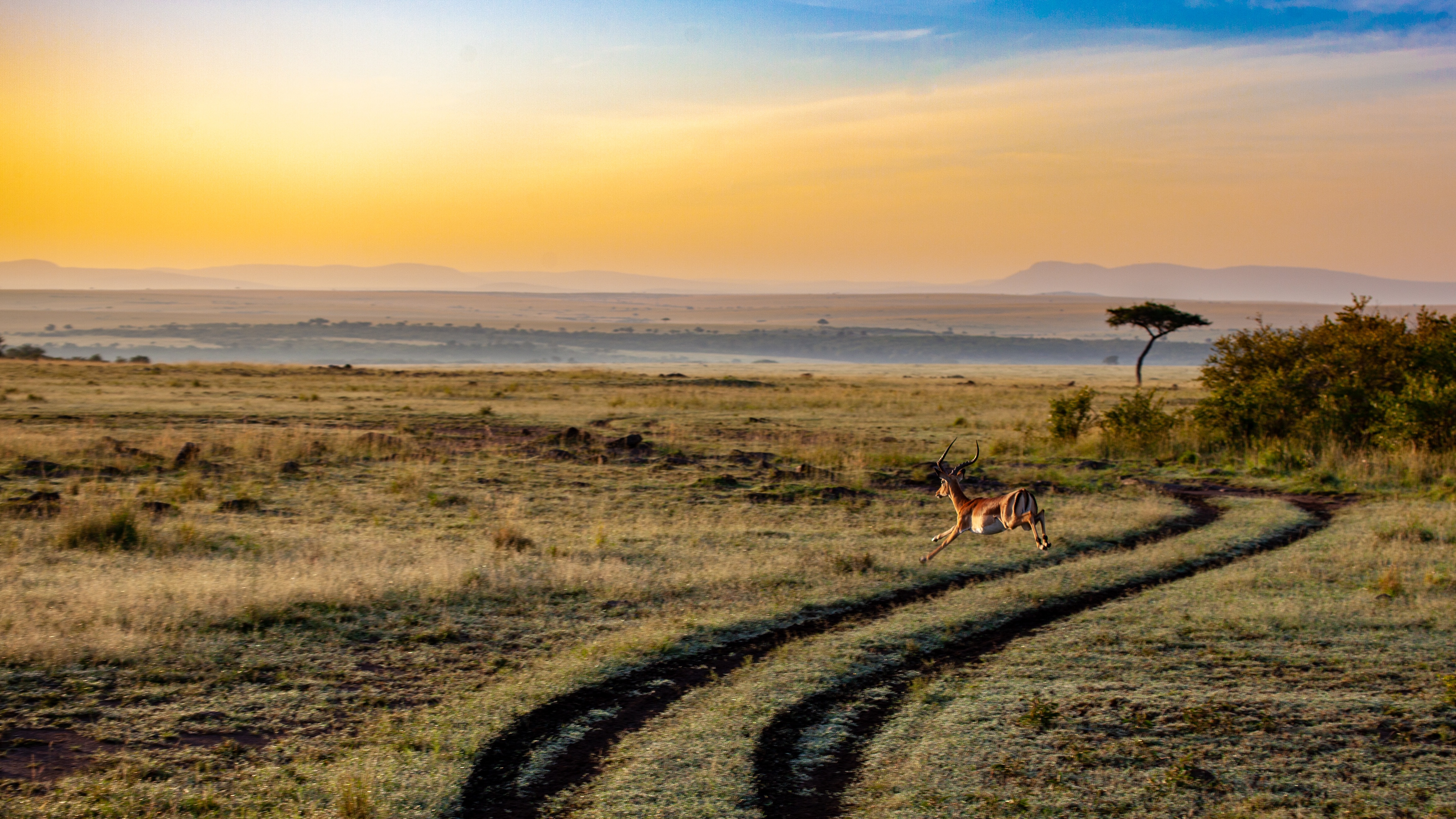
Kenya, located in East Africa, is celebrated for its diverse landscapes, remarkable wildlife, and rich cultural heritage. The capital city, Nairobi, serves as a gateway to the country's many wonders. While in Nairobi, visitors can explore the Nairobi National Park, home to a variety of wildlife just minutes from the city center. The city also boasts vibrant markets, cultural museums, and the Karen Blixen Museum, dedicated to the author of "Out of Africa."
Kenya's most famous attraction is the Maasai Mara National Reserve, where the annual Great Migration of wildebeest and zebras takes place, offering a spectacular wildlife spectacle. The country is also known for its stunning national parks like Amboseli, Tsavo, and Samburu, where you can spot the "Big Five" (lion, leopard, elephant, buffalo, and rhinoceros) and a multitude of other species.
Kenya's rich cultural tapestry is displayed through its many ethnic groups, with the Maasai being among the most well-known for their colorful attire and traditions. Visitors can immerse themselves in the local culture by participating in traditional dances, visiting tribal villages, and shopping for exquisite handicrafts.
With its unparalleled wildlife experiences and vibrant cultures, Kenya offers an unforgettable African adventure.
Most visited cities in Kenya
Discover Country
Nairobi
Nairobi, a city of 4.4 million (2019) on the Nairobi River. It is the political, financial and media capital of Kenya, and a transit point that most travellers to Kenya will pass through. Nairobi is the largest and fastest growing city in Kenya, and one of the largest cities in Africa. It is worth taking a few days to experience this bustling metropolis.
Explore
Discover Country
Mombasa
Explore
Discover Country
Masai Village
Explore
Discover Country
Masai Mara National Reserve
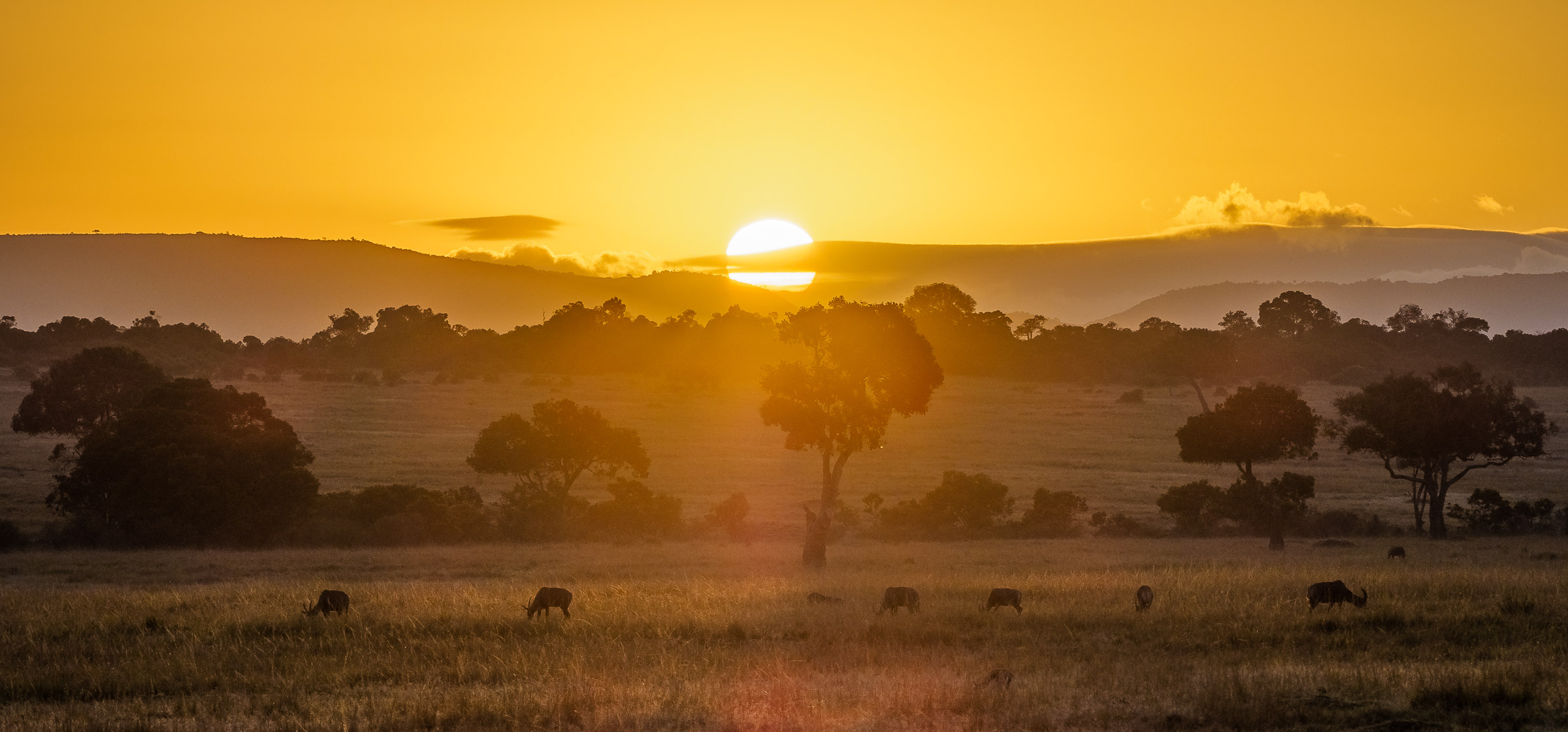
Masai Mara National Reserve, located in southwestern Kenya, is one of Africa's most iconic and celebrated wildlife destinations. Spanning over 1,500 square kilometers, the reserve is part of the larger Serengeti ecosystem and is renowned for its vast savannah plains, abundant wildlife, and the thrilling annual wildebeest migration. Masai Mara offers visitors an unforgettable safari experience, immersing them in the untamed beauty of the African wilderness.
Wildlife
Masai Mara National Reserve is teeming with an incredible diversity of wildlife, making it a paradise for wildlife enthusiasts and photographers. The reserve is home to the "Big Five" (elephants, lions, leopards, buffalos, and rhinoceros), providing excellent opportunities for sightings of these majestic creatures. Visitors can also encounter large herds of wildebeest, zebras, gazelles, and other herbivores that migrate through the area during the Great Migration, creating a remarkable spectacle of nature.Great Migration
The Great Migration, a natural phenomenon that takes place in Masai Mara, is one of the world's most awe-inspiring wildlife events. Each year, millions of wildebeest, accompanied by zebras and gazelles, make a perilous journey from the Serengeti in Tanzania to Masai Mara in search of fresh grazing. This migration is driven by the seasonal rains and the need for the animals to find abundant food and water. Witnessing the river crossings, where the animals brave crocodile-infested waters, is a breathtaking experience.Maasai Culture
The Maasai people, known for their vibrant culture and close connection to the land, inhabit the areas surrounding Masai Mara National Reserve. Visitors have the opportunity to learn about their traditions, customs, and way of life through cultural encounters and village visits. Engaging with the Maasai community provides insights into their rich heritage, traditional dances, craftsmanship, and livestock-keeping practices.Hot Air Balloon Safaris
One of the unique ways to experience Masai Mara is through a hot air balloon safari. Drifting above the savannah at sunrise, visitors can enjoy breathtaking views of the landscape and witness wildlife from a different perspective. The tranquility of the balloon ride combined with the stunning vistas creates a memorable and immersive experience.Photography Opportunities
Masai Mara National Reserve offers exceptional opportunities for wildlife photography. The vast open plains, dramatic skies, and abundance of wildlife provide the perfect setting for capturing stunning images. From close-up shots of big cats to sweeping panoramas of migrating herds, photographers can capture the essence and beauty of the African wilderness.Conservation Efforts
Conservation plays a vital role in preserving the natural wonders of Masai Mara National Reserve. Efforts are focused on protecting the reserve's biodiversity, combating poaching, and implementing sustainable tourism practices. Conservation organizations collaborate with local communities to promote wildlife conservation, support community development projects, and raise awareness about the importance of preserving this unique ecosystem.Accommodation and Facilities
Masai Mara offers a range of accommodations, from luxury lodges to tented camps, providing visitors with comfortable and immersive experiences. The lodges and camps are strategically located within or near the reserve, offering proximity to wildlife and stunning views. The facilities include restaurants, bars, and amenities to ensure a pleasant stay while exploring the reserve.Game Drives and Walking Safaris
Game drives are the primary way to explore Masai Mara National Reserve, allowing visitors to venture deep into the wilderness and encounter wildlife in their natural habitat. Knowledgeable guides navigate the terrain, ensuring optimal opportunities for wildlife sightings. Walking safaris, accompanied by experienced guides and Maasai warriors, offer a more intimate and immersive experience, allowing visitors to appreciate the smaller details of the ecosystem while learning about animal tracks, plants, and the Maasai's deep knowledge of the environment.Explore
Discover Country
Nakuru
Nakuru is a city in the Southern Rift Valley region of Kenya. : P70 : P8
Explore
Discover Country
Diani Beach
Explore
Discover Country
Naivasha
Naivasha is a city in Kenya, 90 km northwest of Nairobi on Lake Naivasha.
Explore
Discover Country
Amboseli National Park
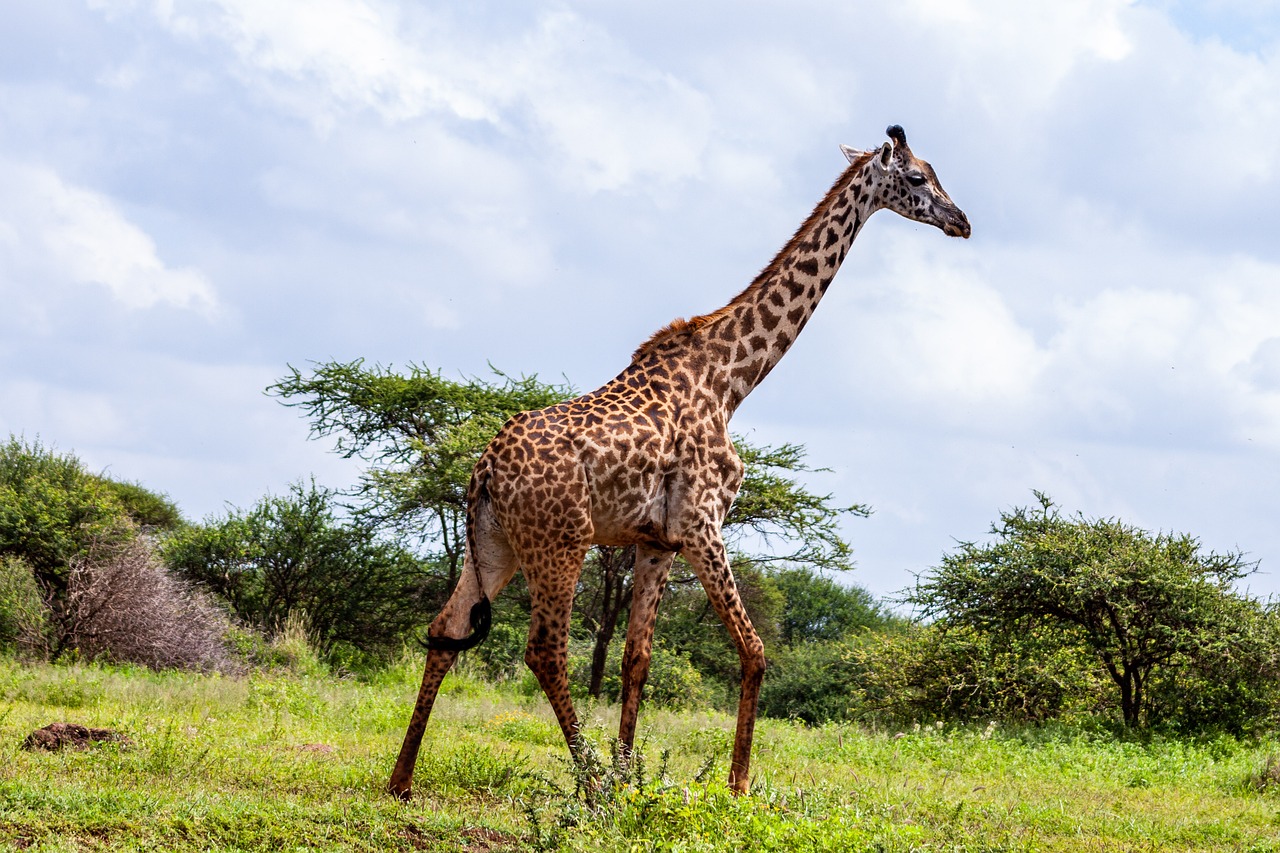
Amboseli National Park, located in southern Kenya, is a captivating wildlife reserve known for its stunning views of Mount Kilimanjaro, diverse wildlife, and rich cultural heritage. Covering an area of approximately 392 square kilometers, the park offers a unique safari experience with its picturesque landscapes, abundant wildlife, and opportunities for cultural encounters with the Maasai people. Amboseli National Park is a must-visit destination for nature lovers, photographers, and those seeking an authentic African safari adventure.
Mount Kilimanjaro
Amboseli National Park is famous for providing one of the most scenic views of Mount Kilimanjaro, Africa's highest peak. The snow-capped summit of Kilimanjaro serves as a stunning backdrop to the park's vast savannah plains, creating a picturesque and dramatic setting. Visitors to Amboseli can capture incredible photographs of wildlife with Kilimanjaro towering in the background, making for unforgettable memories.Abundant Wildlife
Amboseli National Park is renowned for its diverse wildlife population, making it a prime destination for wildlife enthusiasts. The park is home to large herds of elephants, often seen roaming the plains or gathering around water sources. Other common wildlife sightings include buffalos, zebras, giraffes, wildebeest, and various antelope species. Predators such as lions, cheetahs, hyenas, and elusive leopards also inhabit the park, providing thrilling game-viewing opportunities.Birdlife
Amboseli National Park boasts a rich avian diversity, with over 400 bird species recorded. Birdwatchers will be delighted by the variety of species, including flamingos, pelicans, herons, egrets, and raptors. The park's diverse habitats, ranging from swamps and marshes to acacia woodlands, attract both resident and migratory birds, making it a birdwatching paradise.Masaai Culture
Amboseli National Park offers a unique opportunity to engage with the Maasai people, one of Kenya's indigenous tribes known for their rich cultural heritage. Visitors can learn about the Maasai way of life, their traditional practices, and gain insights into their deep connection with the land and wildlife. Cultural visits to Maasai villages allow tourists to interact with the community, experience traditional dances, and purchase unique handicrafts.Game Drives and Nature Walks
Game drives are a popular activity in Amboseli National Park, providing visitors with the opportunity to explore the park's diverse landscapes and spot wildlife. Knowledgeable guides lead game drives, taking visitors to prime viewing areas, water sources, and off-the-beaten-path locations for exceptional wildlife encounters. Nature walks are another way to explore the park, allowing visitors to appreciate the smaller details of the ecosystem, learn about the flora and fauna, and observe wildlife from a closer vantage point.Explore
Discover Country
Malindi
Malindi and Watamu villages are known for their wonderfull Indian Ocean beaches, which are among the best and most picturesque in Kenya. : P70 : P8
Explore
Discover Country
Watamu
Explore
Discover Country
Tsavo
Explore
Discover Country
Kisumu
Explore