Discover
Discover Country
Germany

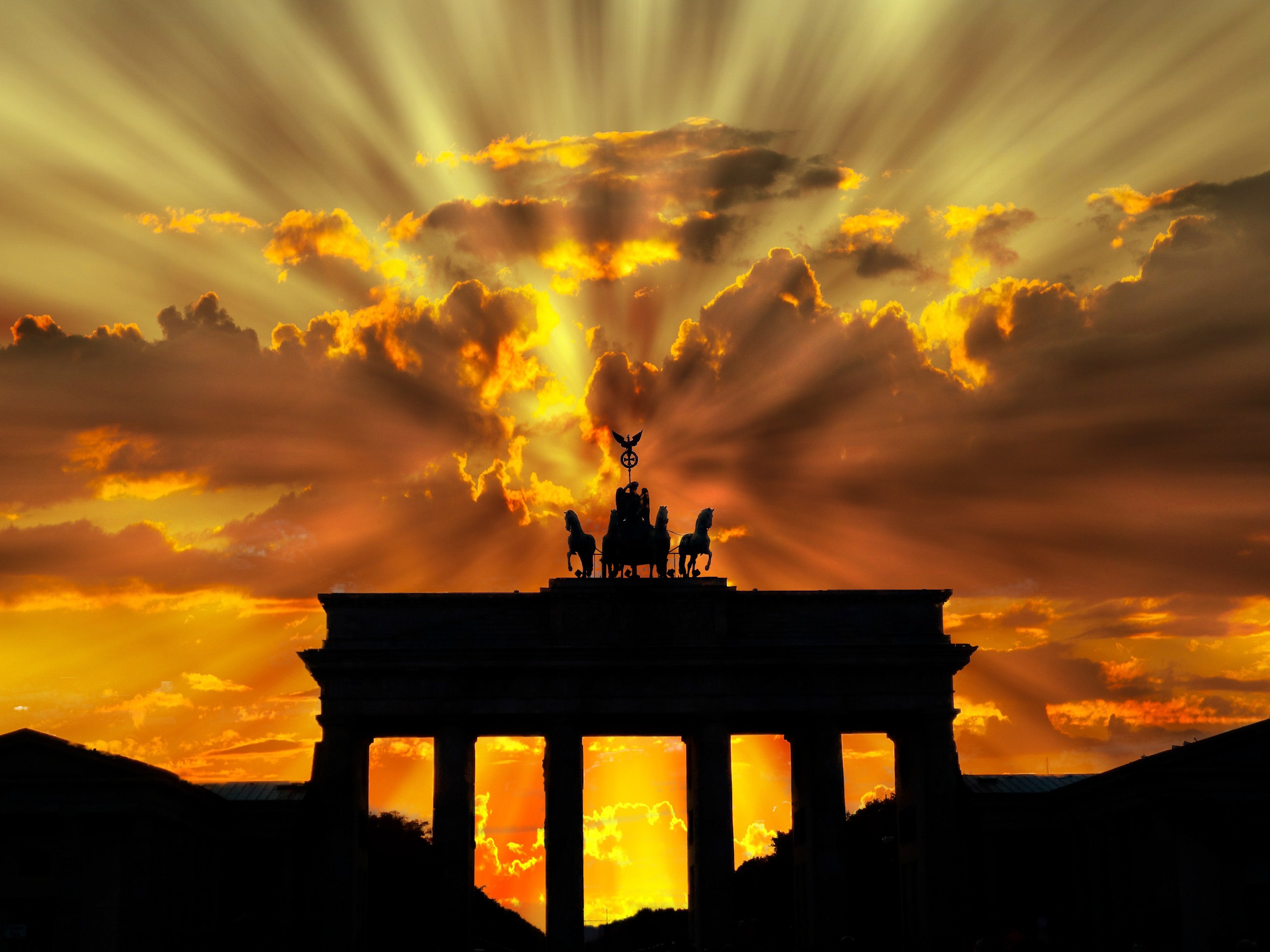
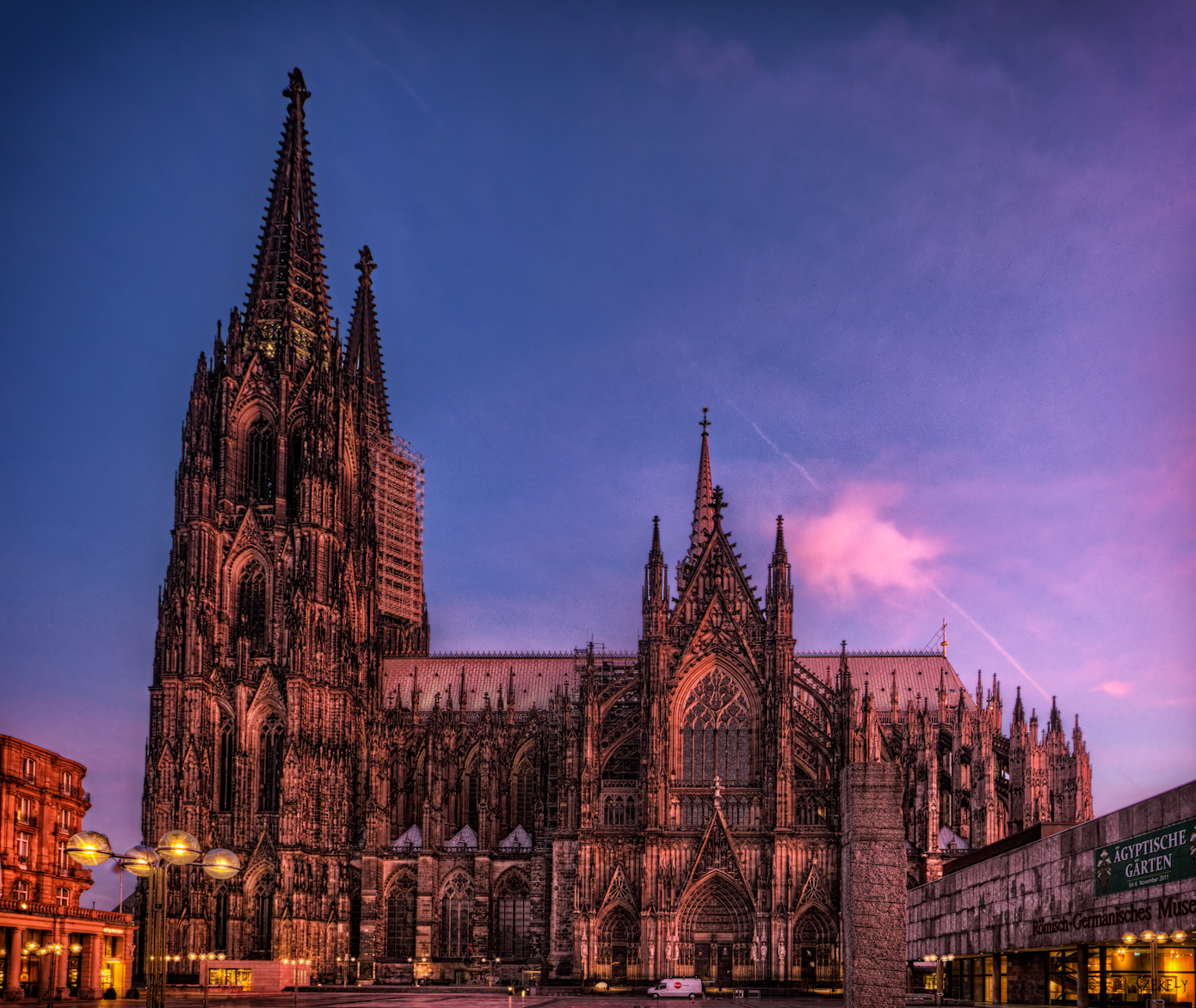
Germany is a captivating destination for tourists, offering a rich blend of history, culture, and modernity. From the vibrant streets of Berlin to the charming villages of the Bavarian Alps, Germany has something for every traveler. The country is renowned for its impressive landmarks, such as the Brandenburg Gate and the fairy-tale Neuschwanstein Castle. The historic city of Cologne boasts its stunning cathedral, while the historic town of Heidelberg offers a glimpse into Germany's medieval past.
Visitors can indulge in traditional German cuisine, including sausages, pretzels, and world-class beers. Exploring the Romantic Road takes travelers through picturesque landscapes and well-preserved medieval towns. The Rhine River offers scenic cruises past vineyards and castles, and the Black Forest region is known for its charming timber-framed villages.
Germany's rich cultural scene includes opera performances, classical music concerts, and avant-garde art exhibitions. With its mix of historical sites, natural beauty, and modern urban centers, Germany provides an enticing blend of old-world charm and contemporary allure for tourists to explore.
Most visited cities in Germany
Discover Country
Berlin
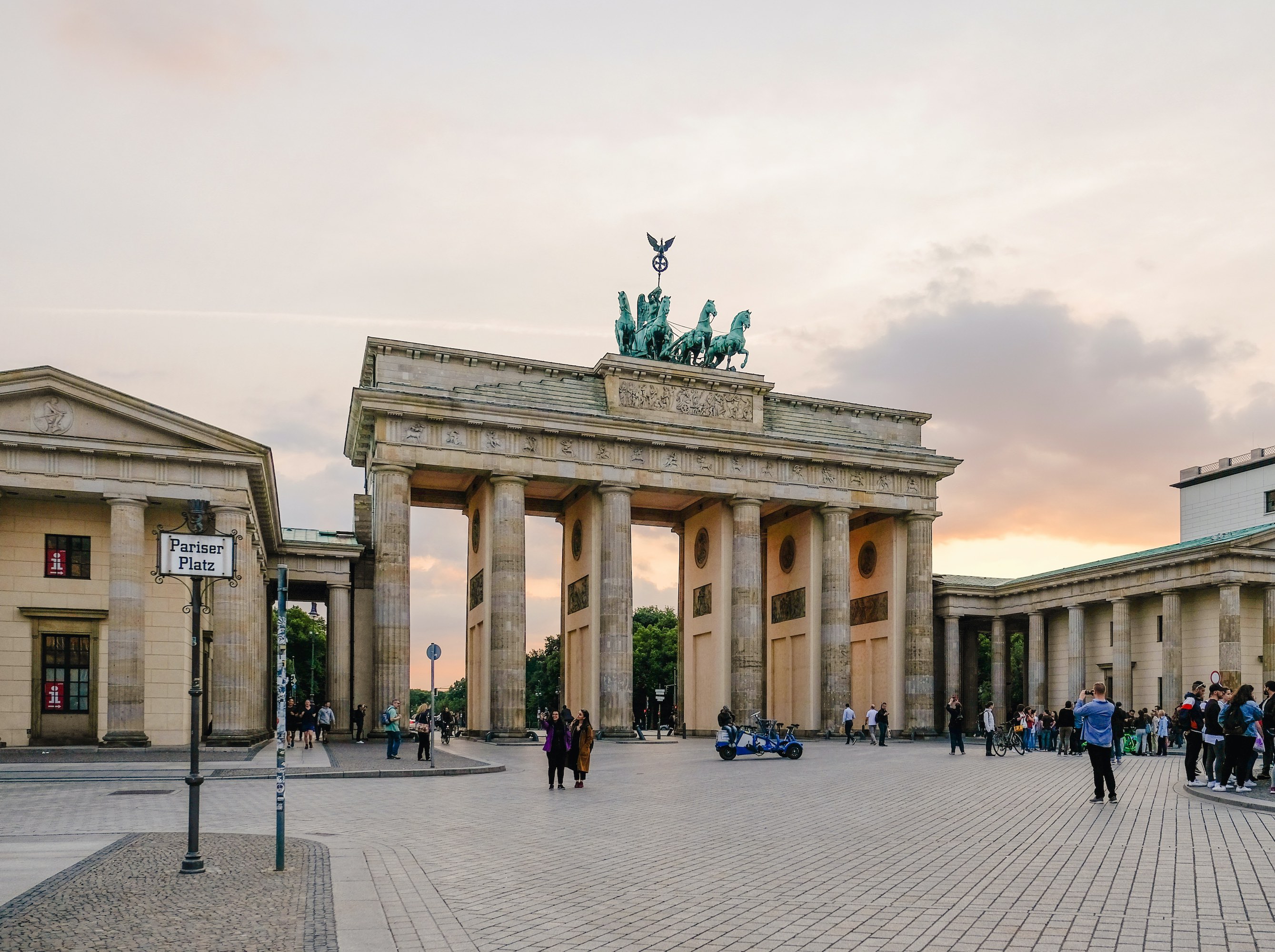
Berlin is Germany's capital and co-extensive with the Land of Berlin, one of the 16 federal states that make up the Federal Republic of Germany. With a population of 3.8 million (2019) (and a million more in "suburbs" like Potsdam across the state line in Brandenburg), Berlin is Germany's biggest city.
Berlin is unusual among European capitals in many respects and the four decades of partition—28 years of them being physically separated by a wall—have also left traces. Merely a backwater town in the early 18th century, Berlin grew to be one of the most important and biggest cities in the world by the 1920s, only to lose much of its importance and historic architecture as a result of World War II and German partition.
The heart of old Prussia and a focal point of the Cold War, Berlin today is coming into its own again as a cosmopolitan capital of one of Europe's wealthiest nations. "Arm aber sexy" (poor but sexy) as a former mayor would have it, Berlin attracts young people, students and a creative bohème like few other cities in the world. Due to its long history as a cosmopolitan capital (first of Prussia and later of Germany) it has attracted immigrants from all over the world for more than three hundred years now, who continue to leave their own marks on the city.
Explore
Discover Country
Munich
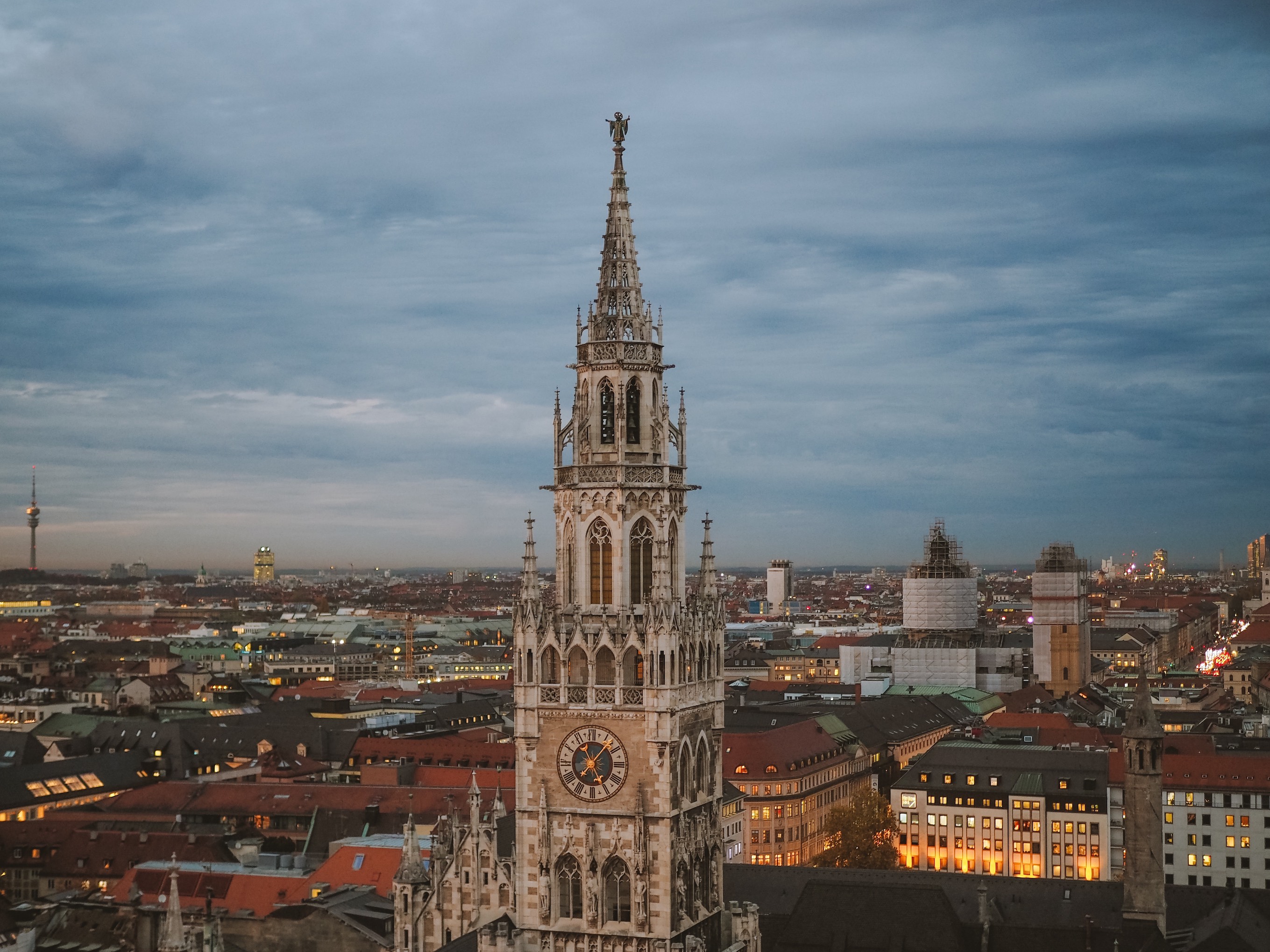
Munich (German: München, Bavarian: Minga ) is the capital city of the German federal state of Bavaria. Within the city limits, Munich has a population of more than 1.5 million, making it the third most populous city in Germany. Greater Munich including its suburbs has a population of 2.7 million. The Munich metropolitan region which extends to cities like Augsburg or Ingolstadt has a population of more than 5.6 million.
Explore
Discover Country
Frankfurt
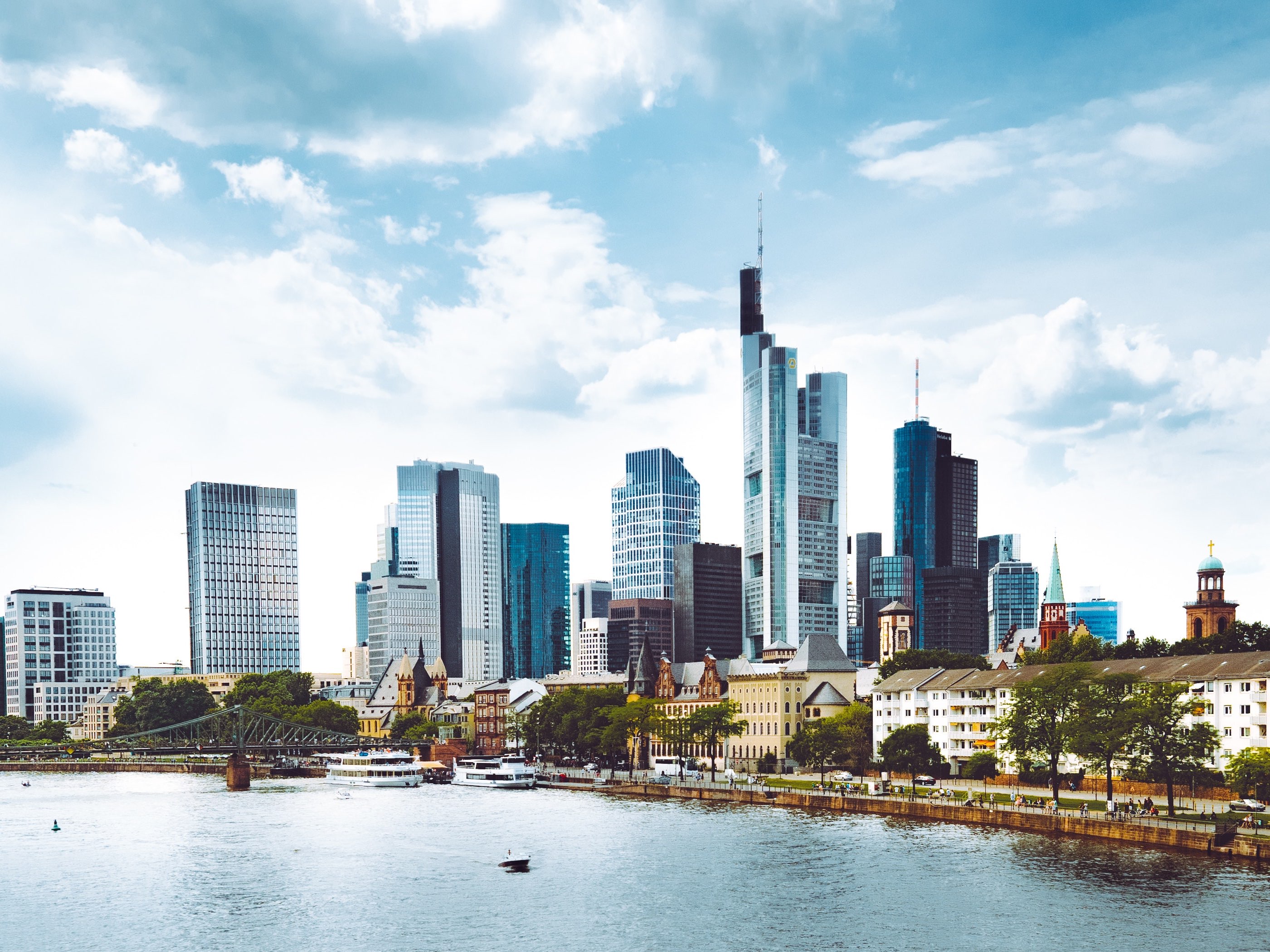
Frankfurt (German: Frankfurt am Main ) is the largest city in the German state of Hesse, and is considered the business and financial centre of Germany. It is the fifth largest city in Germany after Berlin, Hamburg, Munich and Cologne. The city is known for its modern skyline, and for hosting the headquarters of the European Central Bank, the Deutsche Börse stock exchange and numerous German financial services companies. Furthermore, it hosts some of the world's most important trade shows, such as the Frankfurt Auto Show and the Frankfurt Book Fair. Located on the river Main at a crossroad of the German Autobahn system and connected to several high-speed rail lines, with Germany's busiest airport on its outskirts, Frankfurt is one of the most important transportation hubs of Europe.
Explore
Discover Country
Hamburg
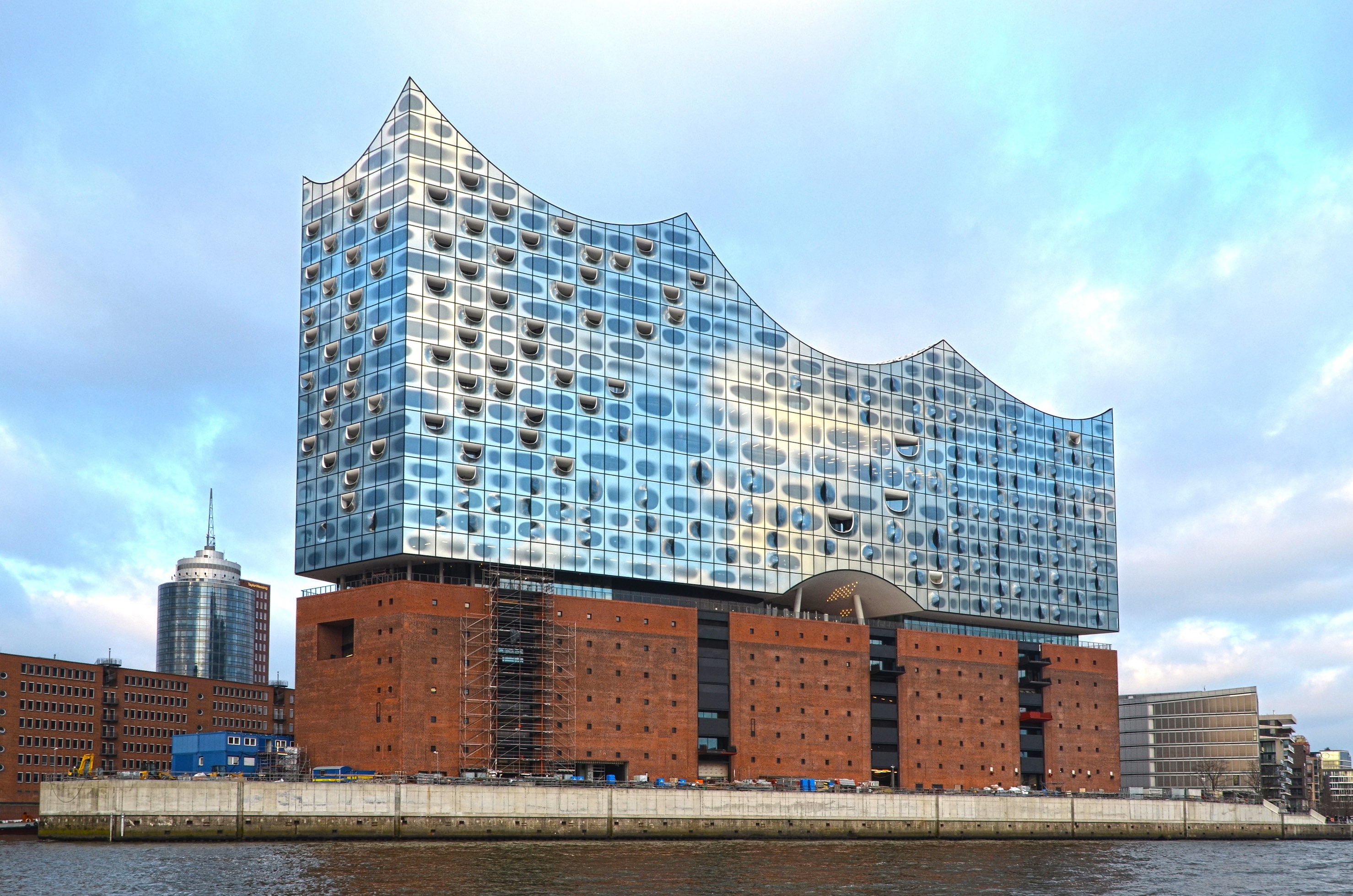
The Free and Hanseatic City ofHamburg ( Freie und Hansestadt Hamburg ) is Germany's second-largest city and, at the same time, one of Germany's 16 federal states or Bundesländer. Prior to the formation of the modern German state, Hamburg for centuries enjoyed a status as de facto independent city state and regional power and trade hub in the North Sea. Although situated over 100 km (62 mi) upriver from the North Sea on the Elbe, Hamburg has been one of Europe's most important ports for centuries, as reflected in its full name referencing the Hanseatic League. The city was built upon a number of islands formed by the wide river and its larger and smaller tributaries, and a huge part of its southern half is occupied by the massive port.
Explore
Discover Country
Cologne
Cologne (German: Köln, Ripuarian: Kölle ) is a city on the Rhine river in North Rhine-Westphalia. It is the fourth largest city in Germany with around one million residents. It is one of the nation's media, tourism and business hotspots, and is considered one of the most liberal cities in Germany.
Explore
Discover Country
Düsseldorf
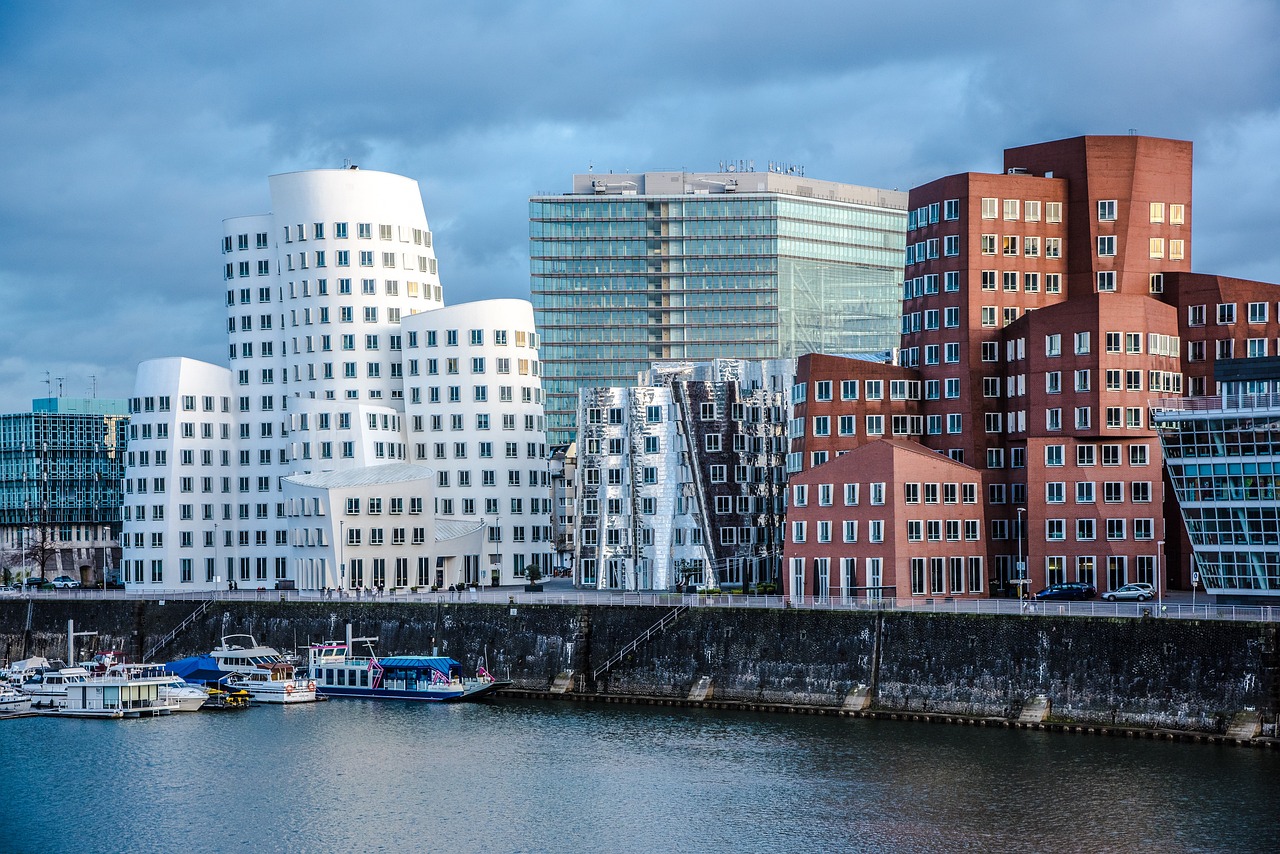
Düsseldorf, located in western Germany, is a cosmopolitan city renowned for its fashion, art, and business. Explore the picturesque Altstadt (Old Town) with its narrow streets and historic buildings. Visit the striking Rheinturm for panoramic views of the city. Experience world-class shopping on the elegant Königsallee boulevard. Immerse yourself in art at renowned museums like K20 and K21. Enjoy the vibrant nightlife, with numerous bars, restaurants, and breweries. Düsseldorf's annual events, such as the vibrant Carnival and the inspiring Rhine Lights Festival, add to its cultural charm.
Explore
Discover Country
Stuttgart
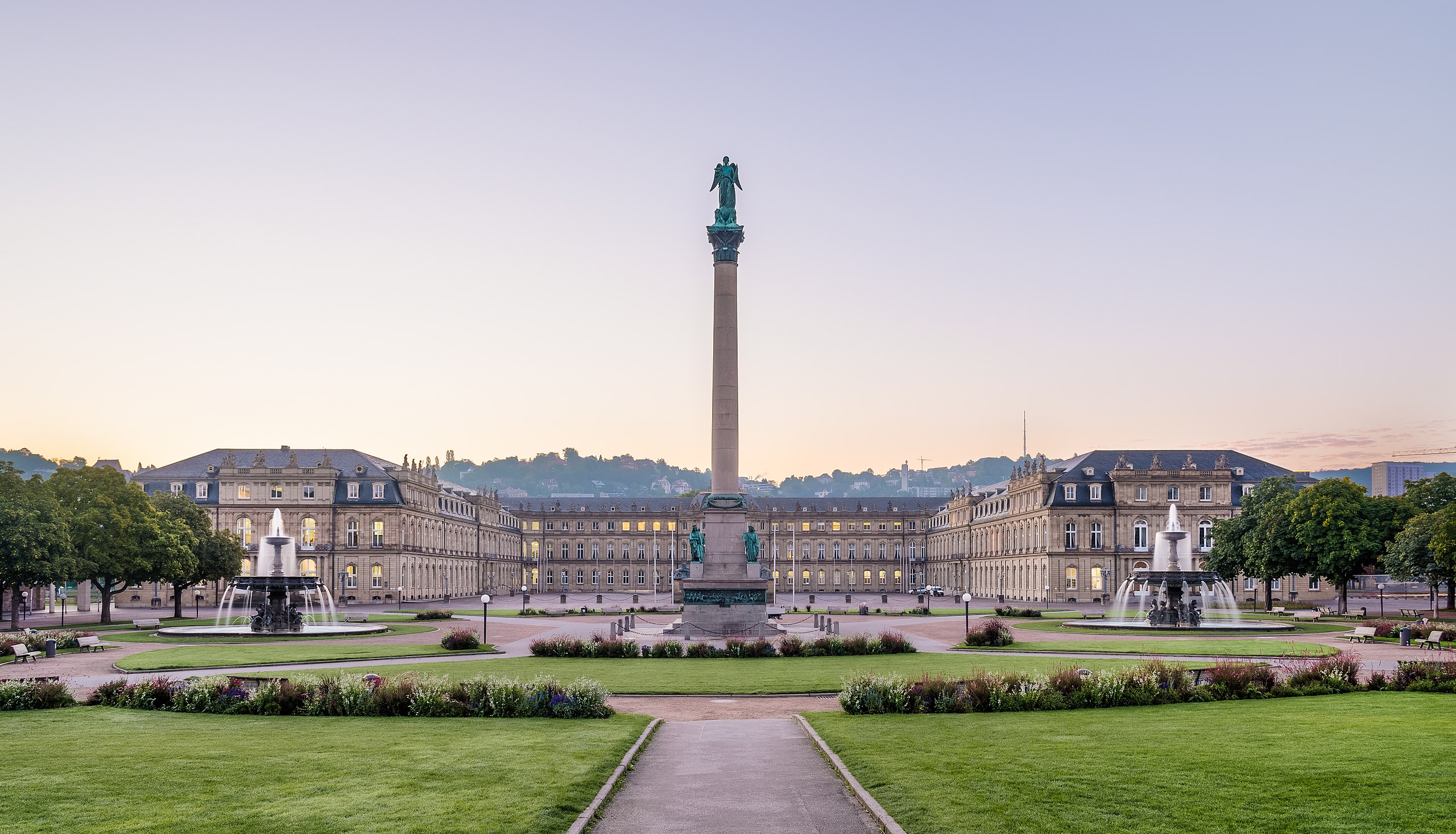
Stuttgart is the capital of the Bundesland of Baden-Württemberg in Germany. With a population of approximately 632,000 in the immediate city (2017) and more than 5.2 million people in the metropolitan area (2013), Stuttgart is the 6th largest city in Germany.
Explore
Discover Country
Dresden
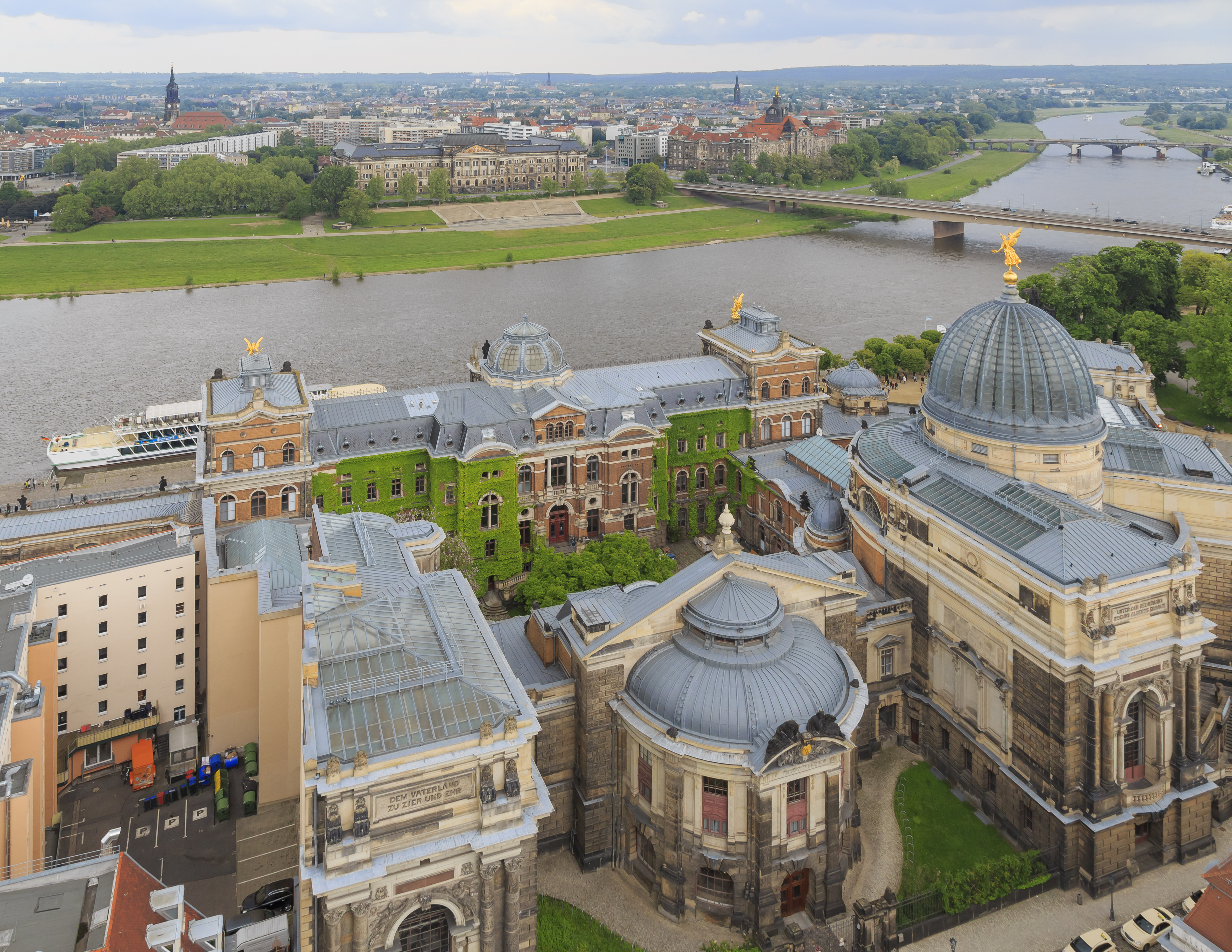
Dresden is a historic city located in eastern Germany, on the banks of the Elbe River. Known for its stunning architecture, the city's skyline is dominated by the majestic dome of the Frauenkirche, a symbol of the city's resilience and reconstruction after World War II. Dresden's Altstadt (Old Town) is a UNESCO World Heritage Site, boasting a wealth of beautifully restored Baroque and Renaissance buildings, such as the Zwinger Palace and the Semper Opera House. The city is renowned for its rich cultural scene, with numerous museums, art galleries, and theaters. Visitors can explore the impressive collections of the Dresden State Art Collections or attend world-class performances at the Semperoper. The Elbe River offers a picturesque setting for leisurely walks and boat cruises, while the city's green spaces, like the Grosser Garten, provide opportunities for relaxation and recreation. With its blend of history, culture, and scenic beauty, Dresden is a captivating destination that showcases the best of German heritage and artistic achievements
Explore
Discover Country
Nuremberg
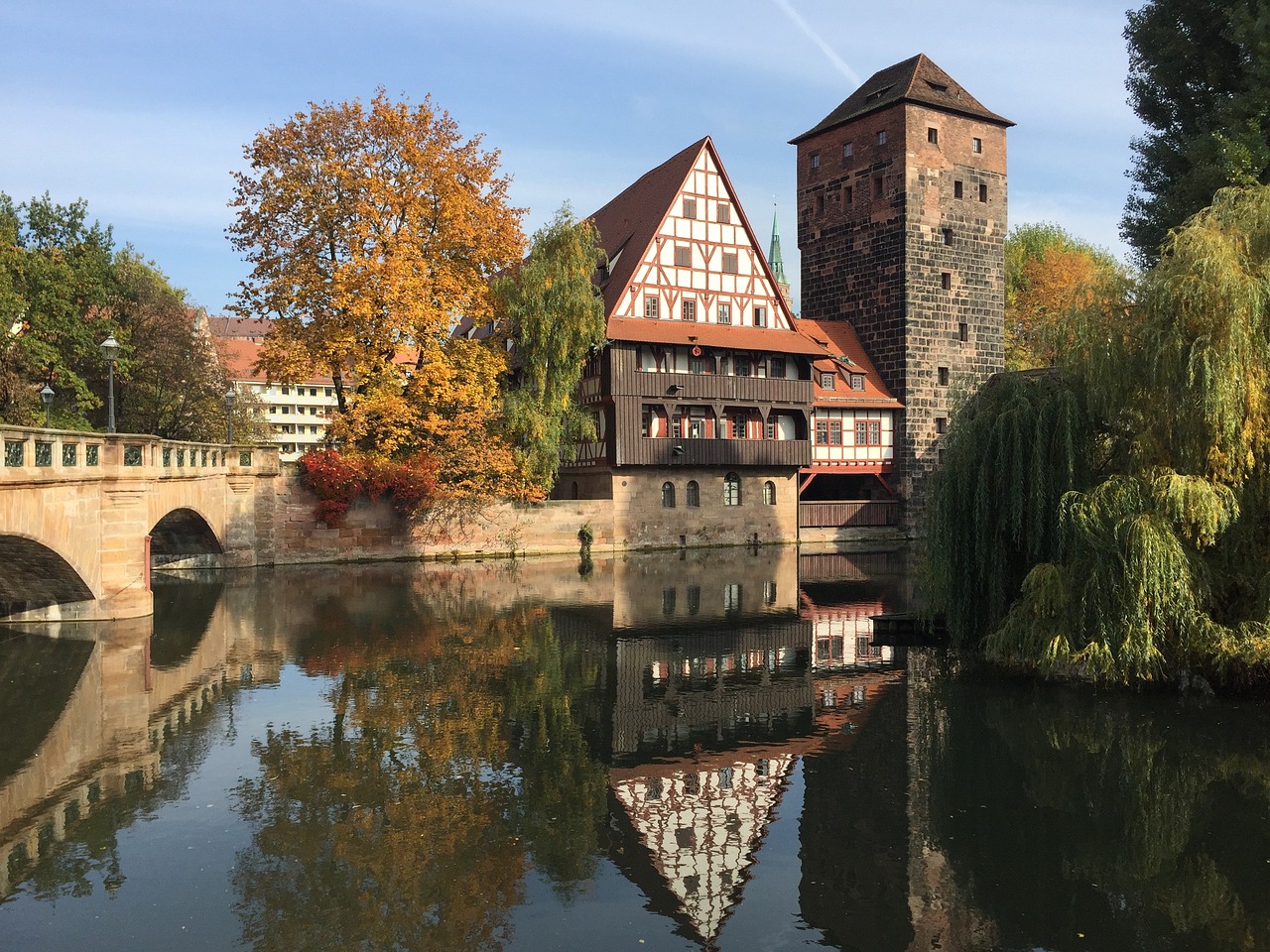
Nuremberg (German: Nürnberg ) is Franconia's largest city, and its undisputed economic, social and cultural centre. The city lies on the Pegnitz River and the Main-Danube Canal. Within the city limits Nuremberg has a population of about 520,000 (2018), making it the second-biggest city in the Bundesland Bavaria and the biggest city in the region of Franconia. Greater Nuremberg including its suburbs has a population of 1.3 million. The Metropolitan Region Nuremberg which extends to cities like Bamberg or Ansbach has a population of 3.5 million. Long a de facto independent "freie Reichstadt", the city was an early centre of manufacturing and proto-industry and had a golden era during the 16th century when people like Albrecht Dürer, Hans Sachs or Martin Behaim called the city home. Annexed into Bavaria in the early 19th century, the city later came to host Germany's first railway, linking it with neighbouring Fürth (this railway has since been replaced first by a tram and then by a subway line; the current route to Fürth follows a different alignment). It is probably most famous for being the site of numerous Nazi rallies and later the trials against the main war criminals. Extensively bombed as an industrial centre and a symbol of Nazism, Nuremberg was rebuilt after the war and thus managed to retain much of its medieval charm.
Explore
Discover Country
Heidelberg
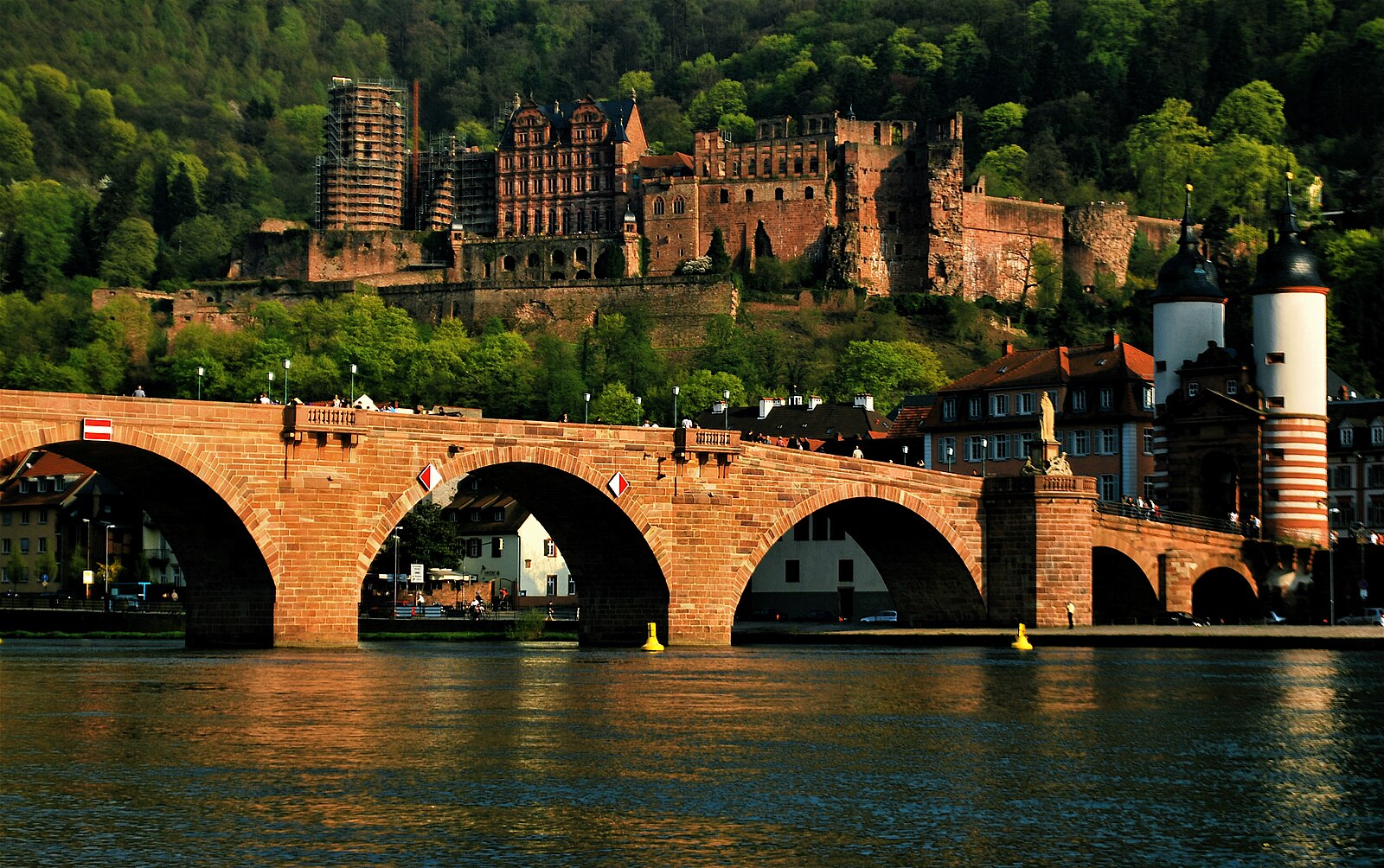
Heidelberg is a jewel among German travel destinations. Heidelberg has retained its baroque charm of narrow streets, picturesque houses and of course the world-famous Schloss (castle ruins). It is home to the oldest university in Germany (est. 1386).
Explore
Discover Country
Dortmund
Dortmund (Low German: Düörpm; Latin: Tremonia) is a city with a population of about 600,000 in the North Rhine-Westphalia region in Germany. It is in the middle part of the state and is considered to be the administrative, commercial and cultural centre of the Ruhr area with some 5.21 million inhabitants (2017). The city is famous for its beer, football, events and for shopping.
Explore
Discover Country
Bremen
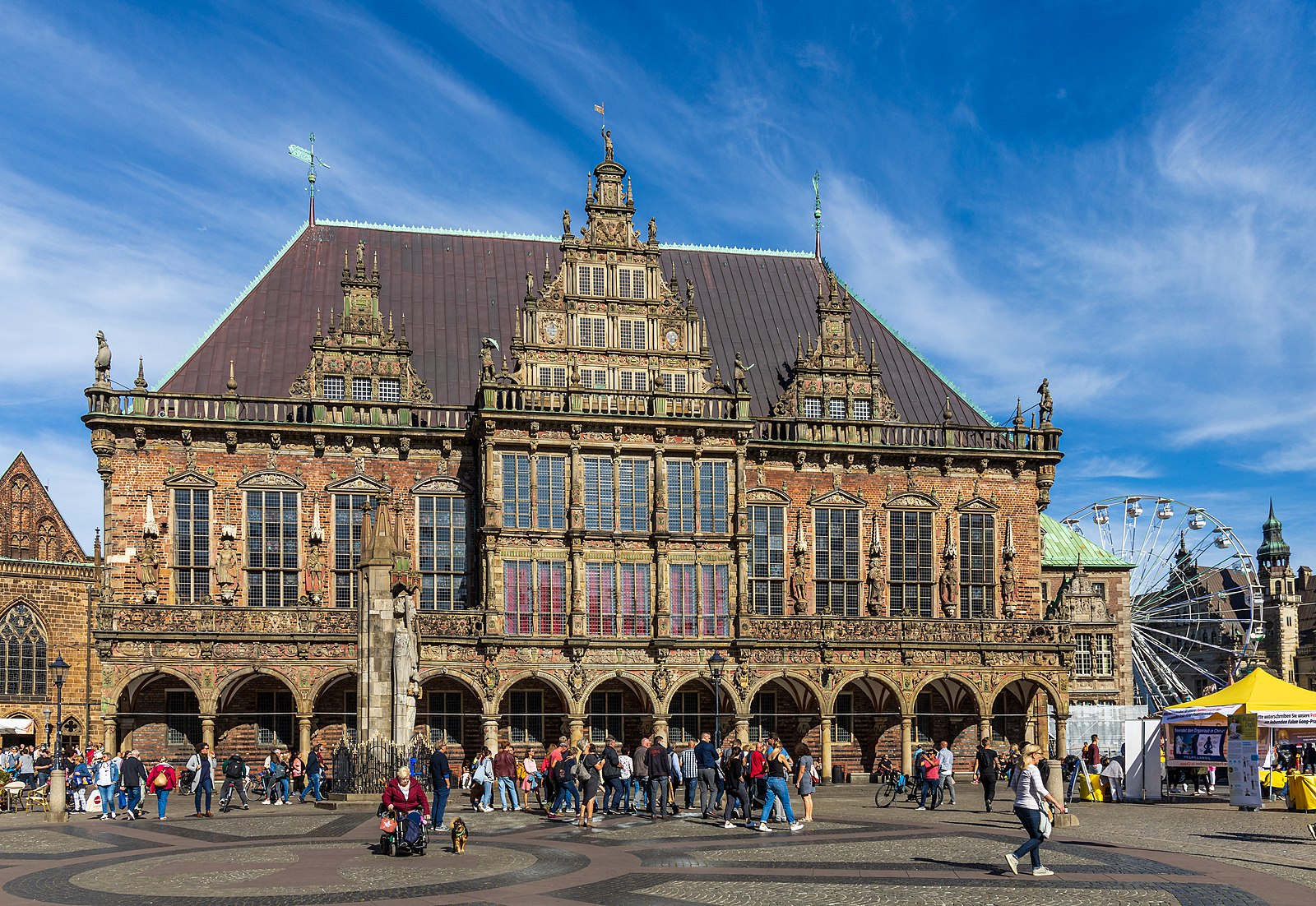
Bremen, Germany's tenth-largest city and a key economic hub, is often celebrated for its maritime heritage, with the Weser River winding through its heart. The city's charming old town, known as Schnoor, features narrow cobblestone streets, half-timbered houses, and cozy cafes, creating a nostalgic atmosphere reminiscent of a fairy tale. The Bremen Town Musicians, a famous folktale, comes to life in a bronze statue in the town square, symbolizing the city's independent spirit. Modern Bremen is a thriving metropolis, home to cutting-edge science and technology, and it's renowned for its aerospace and automotive industries. The Universum Science Center is a must-visit attraction, offering interactive exhibits that engage visitors of all ages. Travelers can also explore the vibrant culture of Bremen through its many theaters, galleries, and music venues. The city's well-preserved historical sites, combined with its forward-thinking outlook, make it an ideal destination for those seeking both heritage and innovation in one place.
Explore
Discover Country
Leipzig
Leipzig is the largest city in the German federal state of Saxony, with a population of approximately 600,000 (Oct 2019). It is the economic centre of the region, known as Germany's "Boomtown" and a major cultural centre, offering interesting sights, shopping and lively nightlife. The Gewandhausorchester is the biggest and one of the most prominent classical orchestras in Germany, and Leipzig Zoological Garden is one of the most modern zoos in Europe. The Neuseenland, outside of Leipzig, is a huge lake district.
Explore
Discover Country
Hanover
Hanover (German: Hannover, Low Saxon: Hannober ) is the capital of Lower Saxony in Germany. Hanover built a huge exhibition complex for the World Expo in 2000 and has been host to several of the biggest exhibitions in the world. Consequently, it calls itself the "Expo City" or "Exhibition City" ( Expo Stadt / Messestadt ). Hanover also played host to the 2006 Association Football World Cup. The major language spoken is German. English is not common, except during major international events. Nevertheless most people understand English and will be able to help you find your way around.
Explore
Discover Country
Freiburg im Breisgau
Freiburg im Breisgau is a major city in a secluded wine-rich corner of Baden-Württemberg in southwest Germany, on the edge of the Black Forest (Schwarzwald). Picturesquely located on the river Dreisam, in between green mountainsides, it enjoys one of the sunniest and warmest climates among German cities. Freiburg is a laid-back, beautiful university city of 230,000 people (2019).
Explore
Discover Country
Bonn
Explore
Discover Country
Mannheim
Mannheim is a city in the northwest corner of the state of Baden- Württemberg in Germany, at the confluence of the Rhine and Neckar rivers. It is close to Ludwigshafen.
Explore
Discover Country
Aachen
Aachen is a historically important city, spa and university centre in North Rhine-Westphalia, situated at the "three lands corner" where the borders of Germany, Belgium and the Netherlands meet. Known as Aix-la-Chapelle in French and Aken in Dutch, the city has played a prominent role in early Medieval Europe, when it became the favoured residence of Charlemagne, the first Holy Roman Emperor who created the Carolingian Empire in the late 8th and early 9th century and built the city's impressive cathedral, where he is now buried along with a succession of later German rulers, many of whom were also crowned in the city.
Explore
Discover Country
Potsdam
Potsdam is the capital of Brandenburg and borders Berlin. The town has a population of about 180,000 (2019). It is widely known for its castles and landscape as a World Heritage Site. Potsdam is more than 1000 years old. Many historic buildings are under re-construction after World War II and the period of the German Democratic Republic (GDR, or "East Germany").
Explore